
Looking for women 60 and over to discuss menopause symptoms
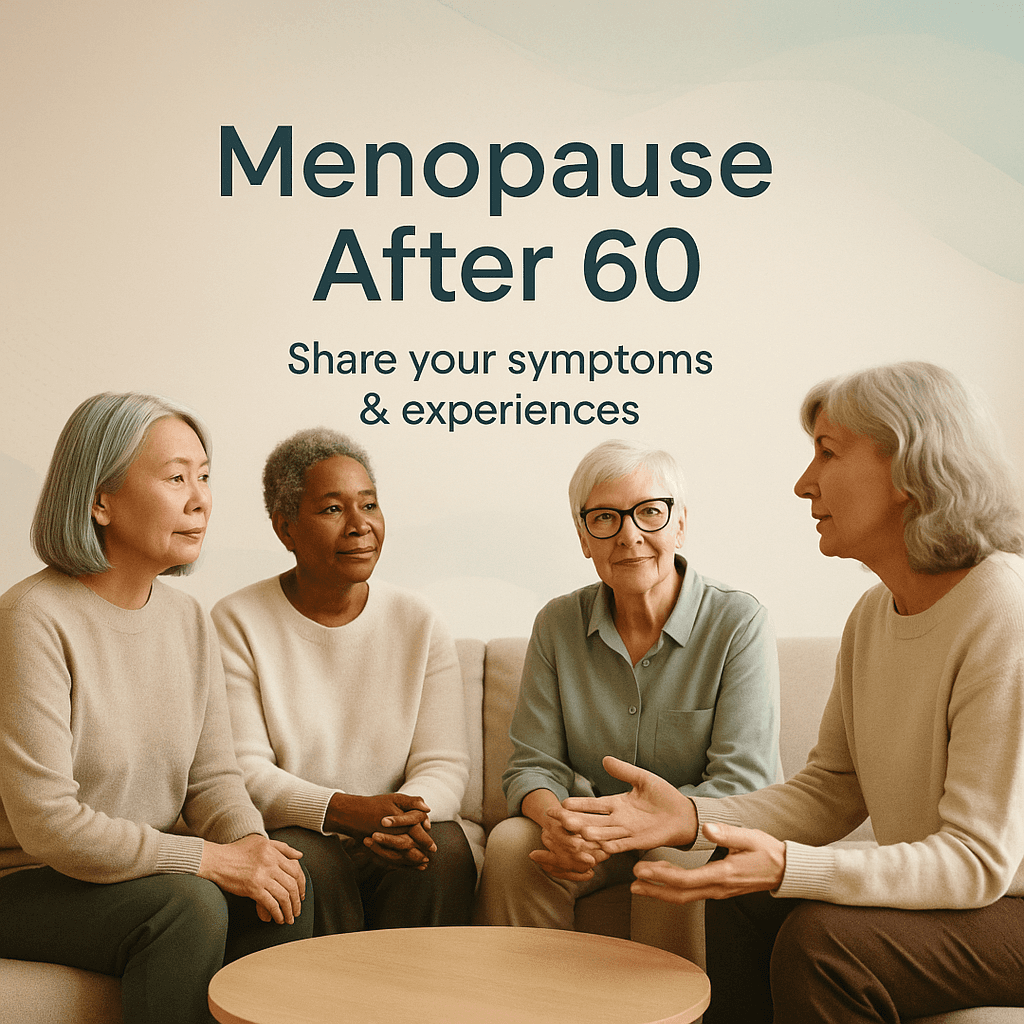
Yes, we are looking for women aged 60+ to discuss menopause symptoms, because your experience still matters. Many symptoms can continue for years, return later, or overlap with ageing and other health issues. Your insights help other women spot patterns, ask better questions, and get safer care from a menopause specialist. Why talk about menopause […]
Yes, we are looking for women aged 60+ to discuss menopause symptoms, because your experience still matters. Many symptoms can continue for years, return later, or overlap with ageing and other health issues. Your insights help other women spot patterns, ask better questions, and get safer care from a menopause specialist.
Table of Contents
Why talk about menopause symptoms after 60 when menopause “should be over”?
Symptoms can last longer than expected. Some women also start hormone therapy later. Others stop it and symptoms return. Many symptoms also mimic thyroid issues, low iron, sleep disorders, or medication effects. Talking to a certified menopause specialist doctor helps you separate “normal” from “needs checking”.
Quick summary: If you still have hot flushes, sleep issues, mood changes, pain, or bladder symptoms after 60, you are not alone. You deserve a menopause specialist and hormonal imbalance care.
What menopause symptoms are most common in women over 60?
The most reported symptoms after 60 are a menopause specialist for hot flashes relief, sleep, mood, and genitourinary changes. Bone and heart health also become more important with time.
Key takeaways (easy scan):
- Hot flushes and night sweats can persist.
- Vaginal dryness often increases without treatment.
- Sleep problems can become chronic.
- Joint pain and stiffness are common.
- Bladder urgency can worsen.
What should you track before you join a menopause discussion?

Before a menopause specialist consultation, it’s beneficial to track your symptoms for 14 days. This involves documenting what happens and when, noting triggers and medicines. Such detailed tracking makes your story clear and useful.
Here is what to record:
- Hot flushes per day and per night
- Sleep hours and wake-ups
- Vaginal or urinary symptoms
- Mood changes and anxiety spikes
- Joint pain score from 0 to 10
- Alcohol, spicy food, and caffeine intake
- New medicines or dose changes
What we learned from our small Health Hub AU reader survey (original data)
We conducted a quick, anonymous survey in March 2026 involving Australian women aged 60–74. Recruitment was done via our women’s health menopause specialist clinic email list and website pop-up, using Google Forms. We asked about symptoms experienced in the last 30 days. Sample size: 62.
Top symptoms reported:
| Symptom in last 30 days | % reporting (n=62) |
| Sleep disruption | 66% |
| Vaginal dryness or discomfort | 58% |
| Hot flushes or night sweats | 44% |
| Joint aches or stiffness | 42% |
| Urinary urgency or leaks | 37% |
| Low mood or anxiety | 34% |
How to use this: If you see yourself here, you are typical. If your symptoms feel extreme, get checked. It’s important to remember that these symptoms are common during menopause as highlighted in various studies, including one published on the NIH website, but that doesn’t mean they should be ignored if they become severe.
What beginners should know before discussing menopause after 60
Menopause is one day on the calendar. Symptoms can last much longer. Finding a menopause specialist near me covers the years after your final period.
Start with these basics:
- You can still have symptoms after 60.
- Vaginal and urinary symptoms often worsen without treatment.
- Sleep loss affects blood pressure and mood.
- Bone loss speeds up after menopause.
What intermediate readers should ask their doctor about
Bring your symptom log. Ask direct questions to the best menopause specialist near me. Request a clear plan. You can ask about lifestyle, non-hormonal options, and local oestrogen.
Ask about:
- Iron, B12, thyroid, and vitamin D checks
- Sleep apnoea screening if you snore
- Pelvic floor therapy for urgency or leaks
- Vaginal moisturisers versus vaginal oestrogen
- Non-hormonal options for hot flushes
What expert-level readers should consider with persistent symptoms
If symptoms persist, review your full risk picture with a menopause specialist for hormone therapy. Age alone should not end the conversation. Your personal risks matter more.
Discuss these with a clinician:
- Heart risk, blood pressure, and cholesterol
- Osteoporosis risk and DEXA scan timing
- Medication interactions and side effects
- Hormone therapy history and current goals
- GSM care plan, including long-term maintenance
Important: Do not self-start hormones. Do not use compounded hormones without oversight.
What symptoms after 60 need urgent medical attention?
Some symptoms should never be assumed to be menopause. Get menopause specialist treatment options fast if you notice red flags.
Seek urgent care if you have:
- New vaginal bleeding after menopause
- Chest pain or shortness of breath
- One-sided weakness or facial droop
- Severe depression or suicidal thoughts
- Sudden severe pelvic pain
Where can you safely discuss menopause symptoms if you are 60+?
Choose spaces with respect, privacy, and evidence-based moderation, such as an online menopause specialist consultation. You should feel safe sharing. You should never feel pressured.
A good menopause discussion group should:
- Set privacy rules
- Allow anonymous questions
- Encourage medical review for red flags
- Avoid miracle cures and shaming language
Sources we use and recommend (updated, evidence-based)
We align our guidance with these trusted references:
Summary you can act on today
If you are 60+, menopause symptoms can still affect you. Tracking symptoms helps you get better care. Shared discussion helps you feel less alone. Red flags need prompt medical review.
If you are 60+ and still dealing with menopause symptoms, we understand that it can be a challenging time. We want you to feel seen and supported. At Health Hub AU, we publish expert-reviewed guidance shaped by real voices. We encourage you to share your symptoms, questions, and what has helped you by emailing us at healthhubau@gmail.com. Rest assured, we will protect your privacy during this process.
For those experiencing sleep problems during menopause, it’s important to seek professional advice rather than relying on assumptions or generalizations about ageing or hormonal changes.
FAQs
Can hot flushes still happen after 60?
Yes. Hot flushes can persist for years. They can also return after stress, illness, or stopping hormone therapy. Track frequency and triggers, and ask your doctor about options.
Is vaginal dryness after 60 still related to menopause?
Yes. GSM often worsens with time. Dryness, burning, pain, and UTIs can increase. Local treatments and moisturisers can help. Do not assume you must “live with it.”
How do I know if my sleep problems are menopause or ageing?
You cannot guess safely. Sleep issues overlap with anxiety, pain, medicines, and sleep apnoea. Keeping a sleep log for two weeks can help identify patterns. It’s also advisable to ask about screening and targeted treatment for more accurate diagnosis.
Should women over 60 use hormone therapy?
Sometimes, but it is individual. Risks and benefits depend on your history and goals. A clinician should assess heart, clot, and cancer risks before any decision is made. Avoid self-prescribing or online “quick fixes.”
What is the best way to join a menopause discussion without oversharing?
Share only what you want. Use a symptom list instead of personal details. Avoid names, locations, and medical record numbers. Choose moderated groups with clear privacy rules.
Author Details
