
Parenting teens in fitness, finance, and food
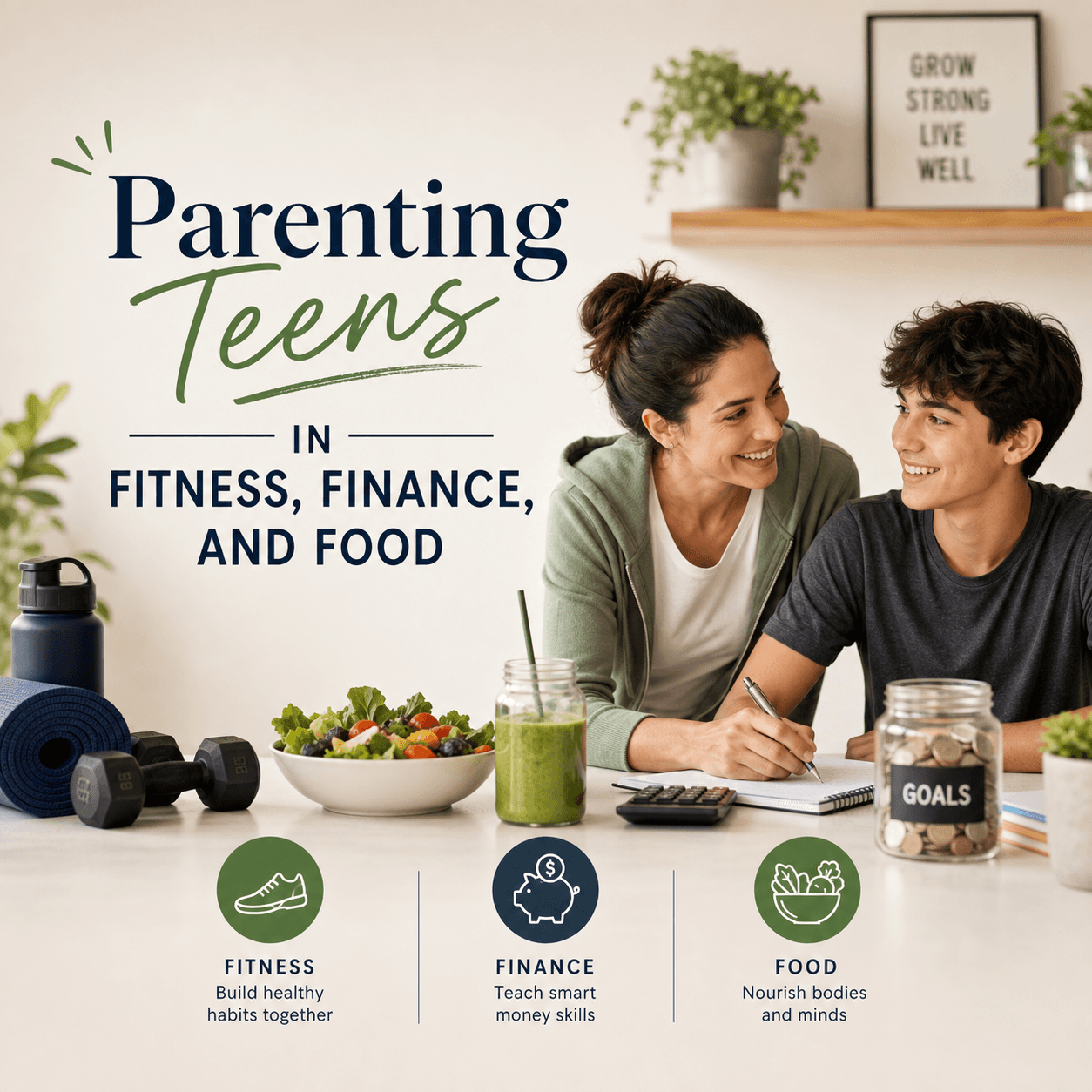
Parenting teens in the digital age can feel like a strange mix of independence and chaos. One minute they’re asking for advice, the next they’re certain you “don’t get it.” And when it comes to fitness, money, and food, teens are getting hit from every angle: social media, friends, trends, and constant comparison. The good […]
Parenting teens in the digital age can feel like a strange mix of independence and chaos. One minute they’re asking for advice, the next they’re certain you “don’t get it.” And when it comes to fitness, money, and food, teens are getting hit from every angle: social media, friends, trends, and constant comparison.
The good news is you don’t need to “win” every conversation. You just need to stay involved in a way that keeps trust intact. The goal is to raise a teen who can make decent choices when you’re not in the room, whether that’s choosing movement they enjoy, spending money without regret, or eating in a way that supports their body and mind.
Table of Contents
Fitness: build strength, confidence, and consistency (not obsession)

Many teens learn “fitness” from highlight reels. That can push them toward extremes: overtraining, chasing a certain body type, or giving up entirely because they think they’re “not athletic.”
A healthier approach when navigating parenting teens and mental health is to frame fitness as something functional and mood-boosting. Ask what they actually like. Some teens love team sports, others would rather lift weights, walk with music, skate, dance, swim, or do Pilates at home. The best plan is the one they’ll stick with.
If your teen wants structure, give them a simple weekly rhythm that doesn’t take over their life. Two to three days of strength, a couple days of sport or cardio they enjoy, and at least one true rest day is a great starting point. Sleep matters just as much as training, and most teens need about 8 to 10 hours.
Also, keep an eye on the warning signs of unhealthy training patterns, especially if your teen is deep into sports or physique-focused content. If you notice persistent fatigue, irritability, constant soreness, skipping meals, or anxiety about missing workouts, it’s worth having a calm, non-accusatory chat.
The biggest parenting “hack” here is modeling. If movement is normal in your home, not a punishment, teens absorb that without you having to lecture.
Finance: teach money skills before they leave home
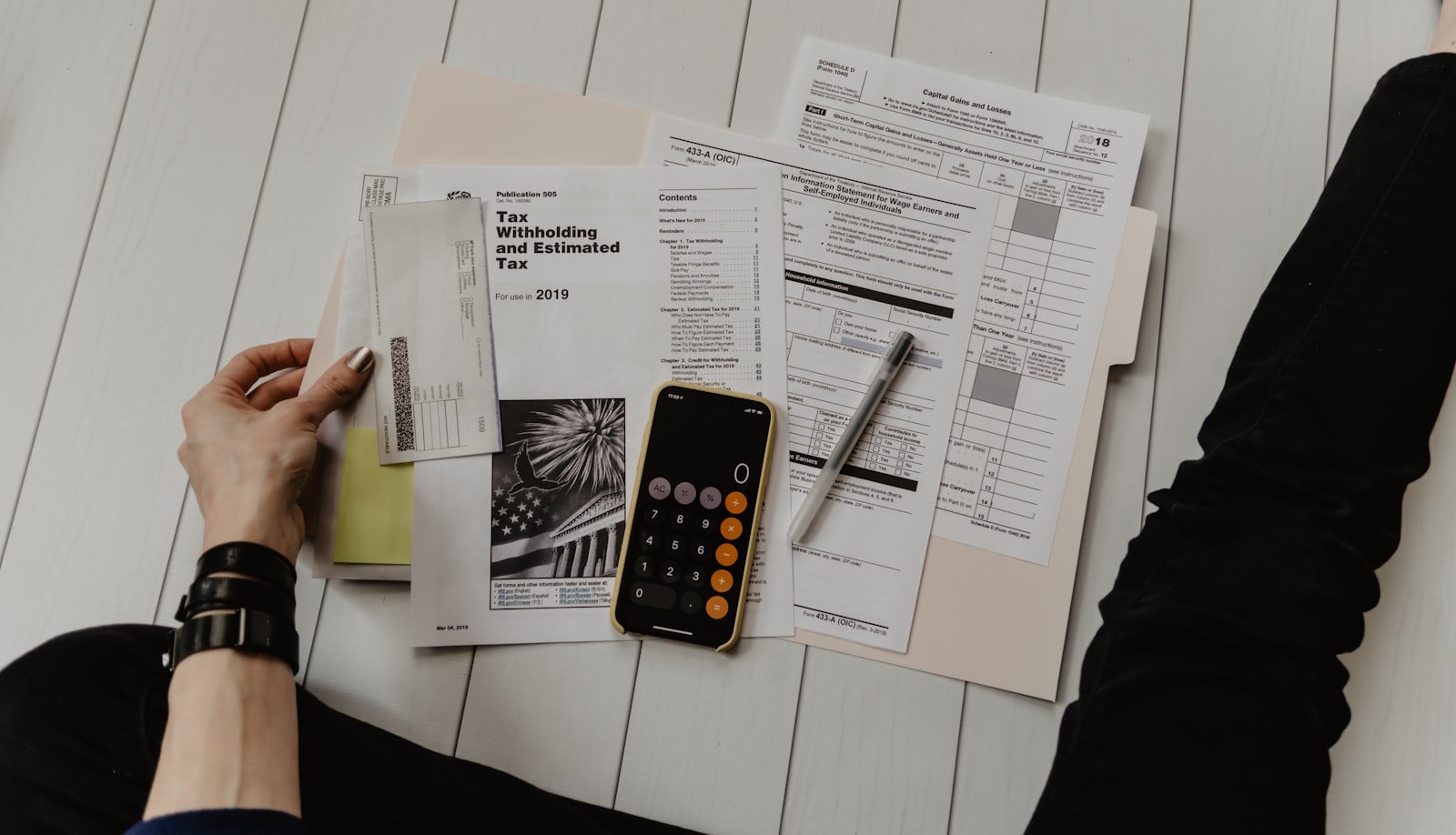
Most teens will be earning, spending, and subscribing long before they understand interest rates or budgets. And if nobody teaches them, they learn from mistakes that can follow them for years.
When parenting teens for independence, start small and real. If your teen gets pocket money or part-time income, help them split it into three buckets: spending, saving, and giving. Keep it simple at first. The habit matters more than the percentage.
Then move into practical lessons that fit modern teen life. Show them how to read a bank balance, track automatic subscriptions, and set a limit on tap-and-go spending. Talk about “needs vs wants,” but don’t make it moral. A want isn’t bad. It just needs to fit in the plan.
Here are a few money conversations worth having before adulthood hits:
- How debit cards work (and why “available funds” isn’t the same as safe spending)
- How Buy Now Pay Later can trap people with late fees and impulse purchases
- Why savings should have a purpose (a phone replacement fund, car costs, travel, emergencies)
If your teen is old enough, consider helping them open a separate savings account and setting up an automatic transfer. Even $10 a week teaches consistency, and consistency is the whole game.
Food: aim for nourishment, not perfection
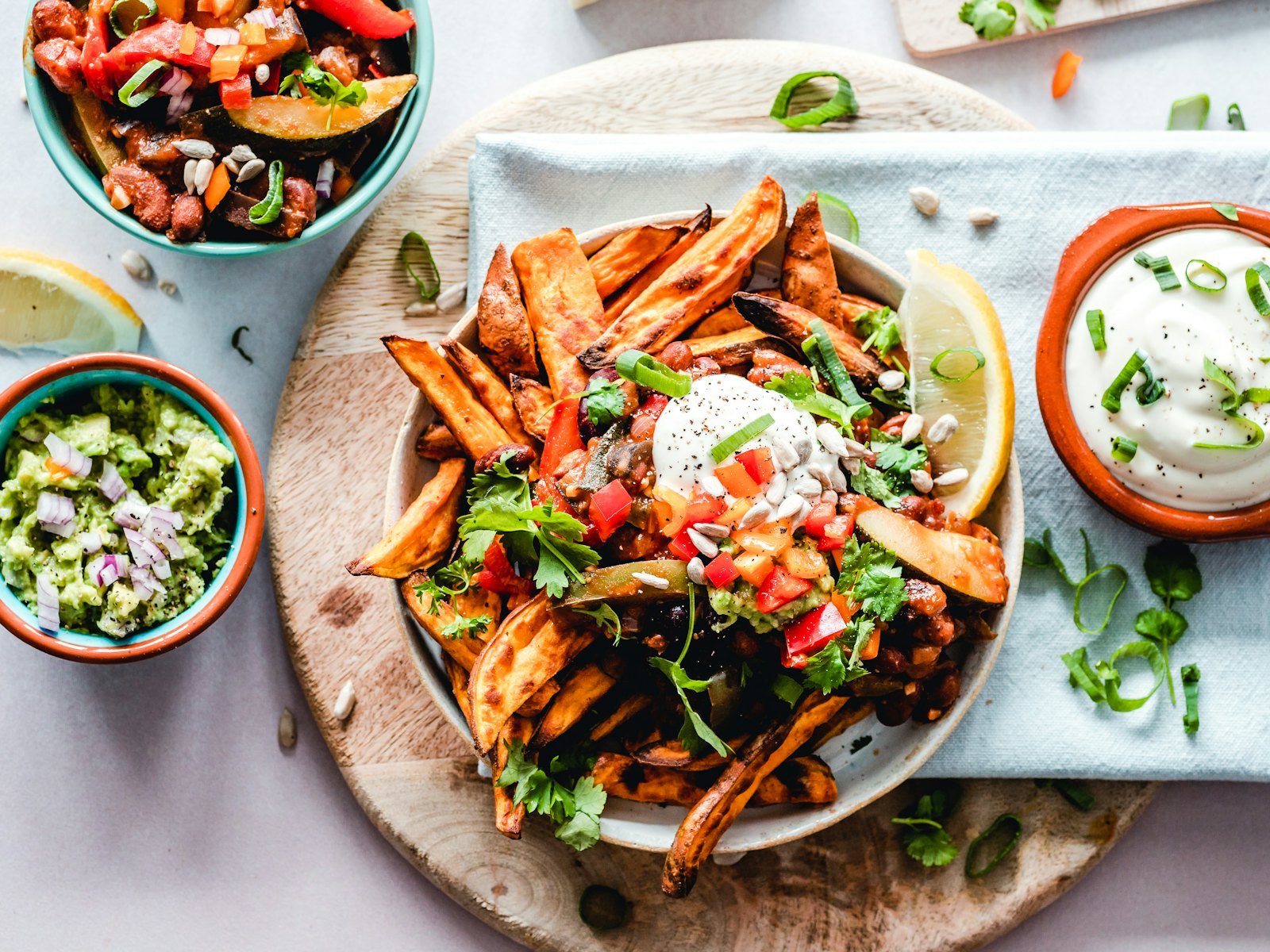
Food is emotional in the teen years. Bodies change quickly, appetites swing, and self-image can be fragile. Add sports pressures, dieting trends, and “what I eat in a day” videos, and it’s easy for teens to get confused about what normal eating looks like.
Your best role when focusing on parenting teens and emotional development is to make the home environment steady. That means regular meals, enough protein and fibre, and a calm attitude around treats. When parents label foods as “good” or “bad,” teens often swing between restriction and bingeing. A more helpful frame is “everyday foods” and “sometimes foods.”
For most teens, a supportive plate looks like a mix of protein (chicken, eggs, Greek yoghurt, tofu, legumes), carbs (rice, pasta, oats, potatoes, bread), colourful plants (fruit and veg), and healthy fats (olive oil, nuts, avocado). Hydration matters too, and so does iron, calcium, and vitamin D, especially during growth spurts.
If you’re dealing with picky eating, don’t turn dinner into a battle. Keep offering variety, involve them in shopping, and let them build one meal a week. Cooking is quietly powerful for parenting teens and emotional development. A teen who can cook two breakfasts, three lunches, and five dinners has a genuine life skill, not just “nutrition knowledge.”
Also, watch for red flags that suggest you should seek professional support: rapid weight change, fear around eating, skipping meals often, using exercise to “earn” food, or intense body checking. If you’re concerned, speak with a GP or a qualified dietitian.
Bringing it together: the “three C” approach
Fitness, finance, and food are easier to teach when you stop trying to control outcomes and focus on building skills. A simple way to approach parenting teens with strong communication is by implementing the three C’s: connection, clarity, and choice.
Connection means you talk when things are calm, not mid-argument. Clarity refers to having a few basic standards in the house (sleep, meals, safety, respectful behavior) that everyone understands. Choice means teens get room to practice decision-making, and yes, sometimes learn from mild consequences.
When your teen feels respected, they’re more likely to be honest. And honesty is the foundation that keeps them safe, whether they’re navigating gym culture, money temptations, or confusing food messages.
Incorporating the three C’s of communication, can help foster an environment where your teen feels heard and understood. This will further enhance their ability to make informed choices about fitness, finance, and food.
Health Hub AU
If you’re parenting teens and setting boundaries right now, you’re not alone, and you’re not “failing” because it feels messy. At Health Hub AU, we publish expert-written, doctor-reviewed guidance you can trust. Our goal is to help build healthier habits at home with less stress, less confusion, and more confidence. If you ever need reliable next steps when it comes to parenting teens and setting boundaries, we’re here. Contact us anytime at healthhubau@gmail.com.
Author Details
