
Australian Health Statistics 2026: Key Facts Every Australian Should Know
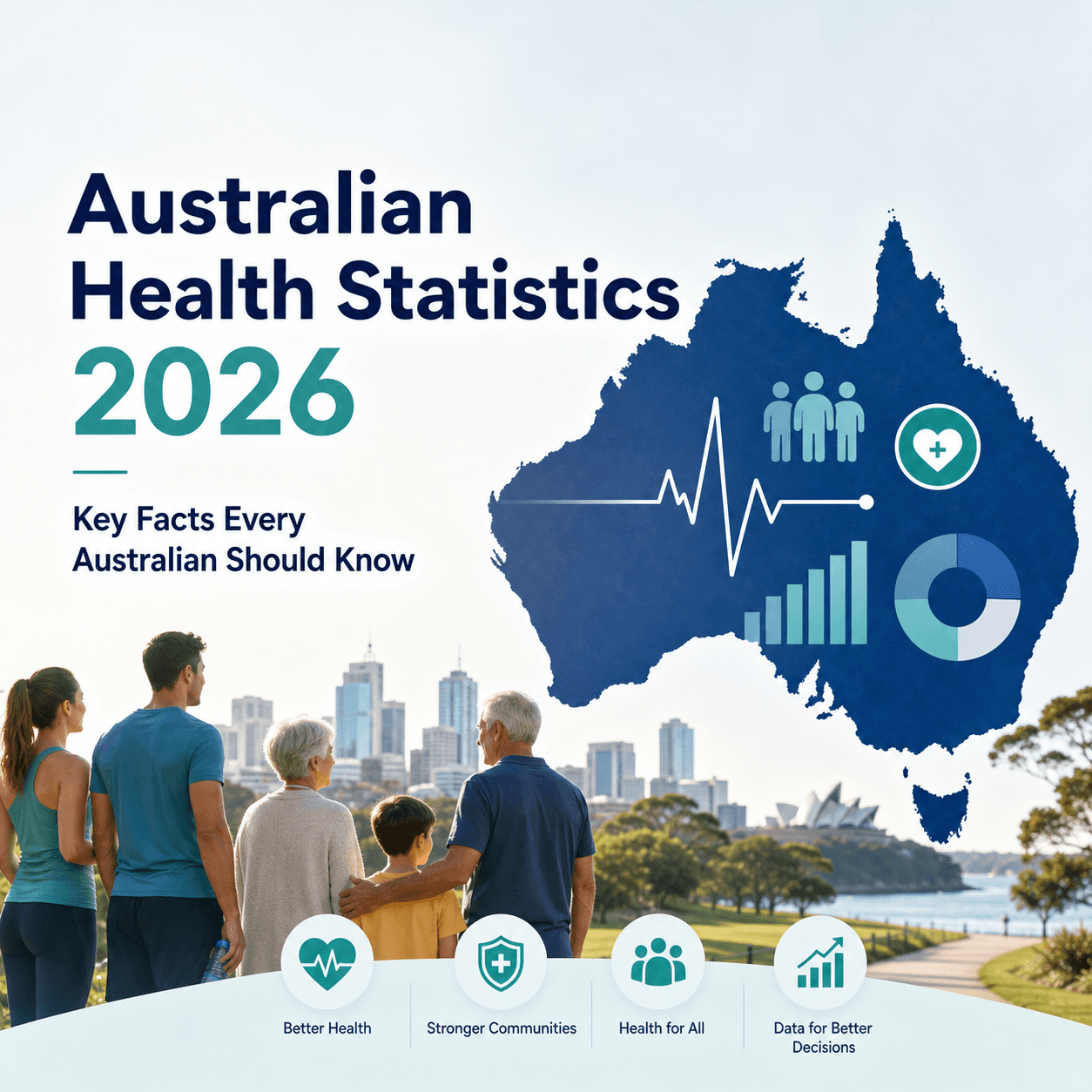
Do you Know?According to AIHW,Women tend to live longer than men, with average life expectancy at 85.1 years for women and 81.1 years for men. Australia remains one of the world’s longest-living countries, although there have been small fluctuations in the figures due to the pandemic. If you want the clearest snapshot of our nation’s […]
Do you Know?According to AIHW,Women tend to live longer than men, with average life expectancy at 85.1 years for women and 81.1 years for men. Australia remains one of the world’s longest-living countries, although there have been small fluctuations in the figures due to the pandemic.
If you want the clearest snapshot of our nation’s wellbeing right now, Australian health statistics 2026 tell the story fast: chronic disease still drives most illness and healthcare spending, mental health demand keeps rising, lifestyle risks still stack up, and prevention still delivers the biggest wins. In this guide, we unpack Australian health statistics 2026 in plain English, with practical context for everyday Australians, families, and workplaces, plus what to do next.
At Health Hub AU, our certified experts write and our reviewing clinicians check every article for safety and accuracy. We built this piece to help you actually use Australian health statistics 2026, not just skim numbers.
Table of Contents
Australians Still Rank Among The World’s Longest-Living Populations, But Chronic Disease Limits Healthy Years
Australian health statistics 2026 consistently show that Australians enjoy strong life expectancy compared with many similar countries. But we don’t just care about how long we live. We also care about how well we live.
“People often focus on dramatic symptoms, but heart risk builds quietly for years. A 10-minute blood pressure check can change your next decade.”
A/Prof Liam Nguyen, Cardiologist
Many Australians now spend a significant portion of adult life managing one or more long-term conditions. You might see this in your own family: blood pressure meds, cholesterol meds, asthma puffers, diabetes checks, arthritis pain, or ongoing mental health support.
The key message from Australian health statistics 2026: longevity looks good on paper, but chronic disease reduces day-to-day function, energy, mobility, and independence.
Cardiovascular Disease Still Causes Major Disability And Death, Even When Treatments Improve
Heart disease and stroke remain central in Australian health statistics because they cause substantial illness and death, and they often link to modifiable risks such as high blood pressure, high cholesterol, smoking history, diabetes, and inactivity.
You can’t “feel” high blood pressure in most cases. That’s why cardiovascular prevention relies on screening and small sustained habits, not just symptom-driven care.
What Australians should do with this part of Australian health statistics 2026: if you haven’t checked your blood pressure recently, treat that as overdue maintenance, like checking smoke alarms. If your family has early heart disease, ask your GP about a more tailored risk assessment.
“Statistics don’t replace clinical judgement, but they help us target prevention where it saves the most years of healthy life.”
Dr Amelia Hart, Public Health Physician
Cancer Still Touches Nearly Every Family, And Early Detection Drives Better Outcomes
Australian health statistics 2026 keep cancer near the top of national health priorities. Australia has strong treatment outcomes for many cancers, but prevention and early detection still matter most for survival and quality of life.
Skin cancer deserves special attention in an Australian article. Our UV exposure stays intense, and many people still skip basic sun protection because they “only popped out for a minute.”
The most practical take from Australian health statistics on cancer: participate in screening programs and treat sun protection like a daily habit, not a beach-only rule.
What To Prioritise This Year Based On Australian Health Statistics 2026
You can start with the big, proven levers: bowel screening when you receive your kit, cervical screening if eligible, breast screening when due, and regular skin checks if you have risk factors such as fair skin, outdoor work, or lots of past sunburns.
Mental Health Demand Keeps Rising, Especially For Young People
If you read Australian health statistics with a human lens, mental health stands out immediately. Australians continue to seek more support for anxiety, depression, stress, trauma, and burnout. Young people, in particular, report high psychological distress.
This does not mean Australians “got weaker.” It means modern stressors, service awareness, and improved recognition push more people to seek help. It also means services must keep up so people can access timely care without long waits.
How to use this insight from Australian health statistics 2026: treat mental health like physical health. You wouldn’t ignore chest pain for months. Don’t ignore panic attacks, persistent low mood, or sleep loss that wrecks your functioning.
“Early support changes trajectories. When people wait until crisis, recovery takes longer and costs more in every sense.”
Sophie Caldwell, Accredited Mental Health Social Worker (Australia)
If you feel unsafe or you think you might harm yourself, call 000. You can also contact Lifeline (13 11 14) for 24/7 crisis support.
In light of the increasing demand for mental health services as highlighted by the Australian health statistics 2026, it’s crucial to prioritize mental well-being alongside physical health.
Obesity, Poor Diet, And Low Physical Activity Still Drive Preventable Illness
One of the clearest messages in Australian health statistics 2026: lifestyle risk factors continue to fuel chronic disease. Many Australians don’t meet recommended physical activity guidelines, and diets often include too many ultra-processed foods, added sugars, and discretionary items.
This topic can feel loaded, so let’s make it practical and respectful. Weight doesn’t define a person’s worth, and health isn’t a simple “good vs bad” moral story. Still, excess body fat can increase risk for type 2 diabetes, cardiovascular disease, sleep apnoea, some cancers, and joint pain.
Australian health statistics point toward a simple approach: focus on behaviours you can repeat, not perfection.
Small Shifts That Match What Australian Health Statistics Tell Us Works
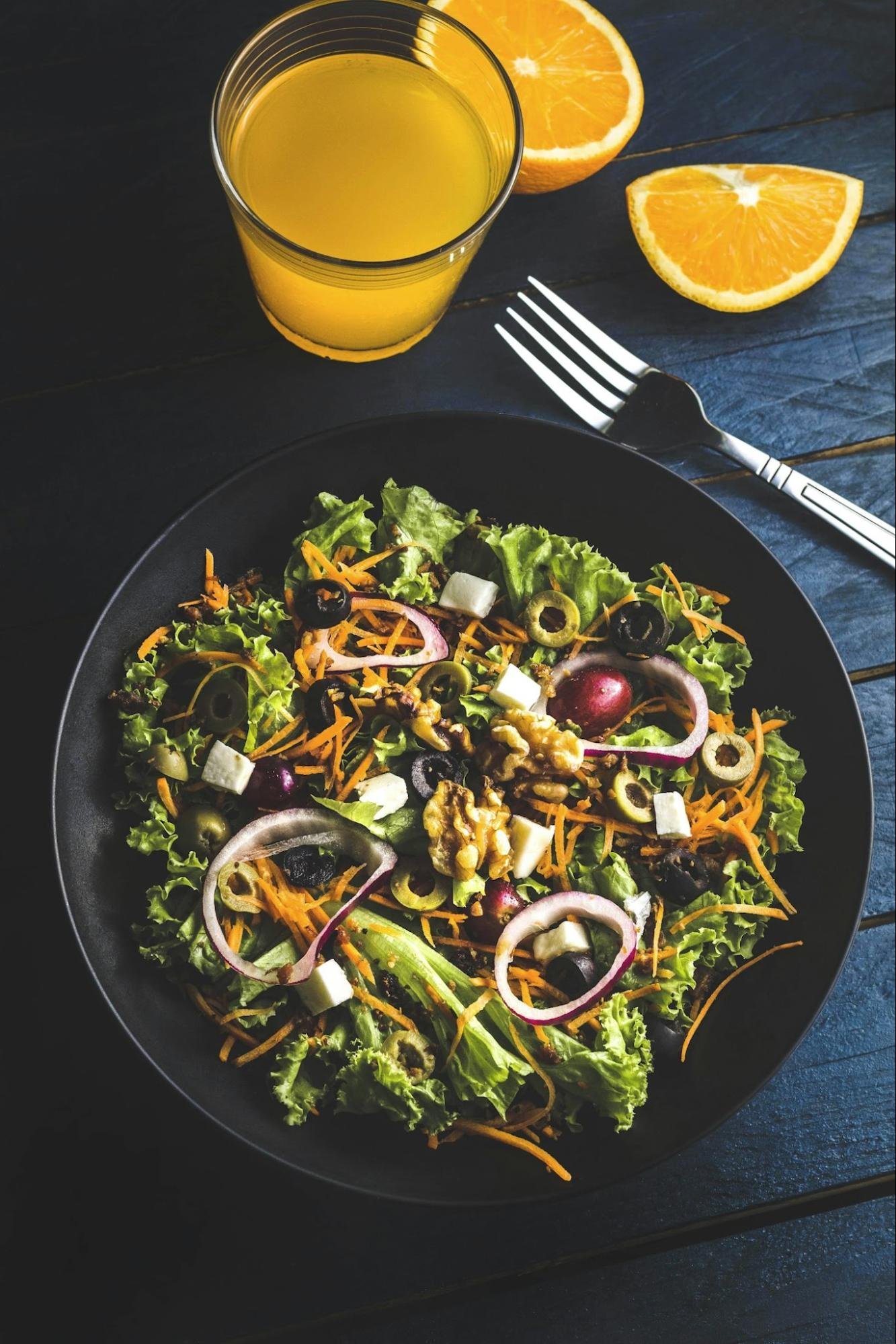
Aim for patterns, not punishments. Build meals around minimally processed staples, add fibre, increase protein at breakfast if hunger hits early, and treat walking as a daily default. If you sit at work, stand up often and take short movement breaks.
“Consistency beats intensity. Ten minutes of movement you repeat daily will outperform a one-off gym burst you dread.”
Mia Reynolds, Accredited Exercise Physiologist
Diabetes And Prediabetes Remain Major Concerns, And Many People Miss Early Warning Signs
Type 2 diabetes remains a major issue in Australian health statistics 2026, and prediabetes often flies under the radar. People frequently dismiss early signs like fatigue, increased thirst, slow-healing cuts, or frequent urination, and many people feel no symptoms at all.
Your action point from Australian health statistics: ask your GP whether you need a diabetes risk assessment, especially if you have family history, gestational diabetes history, high blood pressure, or central weight gain.
Prevention often looks boring: regular walking, better sleep, strength training, more fibre, and fewer sugary drinks. Boring works.
Respiratory Health Still Matters, Including Asthma And COPD
Australians continue to manage respiratory conditions like asthma and chronic obstructive pulmonary disease (COPD), which show up strongly in Australian health statistics 2026. Bushfire smoke events and air quality concerns also shape respiratory health, especially for children, older Australians, and anyone with existing conditions.
If you use an asthma preventer, you should use it consistently. If you only rely on a reliever, you may still face inflammation that quietly worsens control.
Smoking Rates Fall, But Vaping Creates A New Nicotine Problem
One of the more striking trendlines inside Australian health statistics 2026: smoking has declined over time, but vaping has surged, especially among younger Australians.
People often treat vaping as harmless because it doesn’t smell like cigarettes. Nicotine still affects the developing brain, and vaping can reinforce dependence fast.
If you want a practical quit plan: combine behavioural support with nicotine replacement therapy or prescribed options where appropriate, and set your environment up for success. Quitting works best when you treat it like a structured project, not a willpower contest.
Alcohol-Related Harm Still Hits Families, Workplaces, And Emergency Departments
Australian health statistics 2026 keep alcohol harm on the national radar, from injuries and accidents to chronic liver disease, cancers, mental health impacts, and family violence.
Australia’s drinking culture can make “cutting back” feel socially awkward, but many Australians now choose low-alcohol or alcohol-free options. You don’t need a crisis to change your drinking patterns.
A helpful rule: if alcohol regularly affects your sleep, mood, work performance, or relationships, treat that as a sign to reduce or seek help.
Sexual Health And Reproductive Health Trends Continue To Evolve
Sexual health remains an important chapter in Australian health statistics 2026. STI testing, contraception access, respectful relationships education, and reproductive healthcare all influence outcomes.
Australians often delay sexual health checks because of embarrassment. Clinics deal with this every day. You won’t shock anyone, and timely testing protects you and your partners.
If you can get pregnant and you want to avoid pregnancy, ask about long-acting reversible contraception options. If you plan a pregnancy, ask your GP about preconception health, folate, and screening.
Women’s Health: Endometriosis, Menopause, And Preventive Screening Stay Front Of Mind

Australian health statistics 2026 also sit alongside a broader shift in women’s health conversations. Australians talk more openly about endometriosis, PCOS, perimenopause, and menopause, and that matters because earlier recognition leads to better care.
If pain disrupts your work, sleep, or daily function, you deserve a proper assessment. Don’t accept dismissal or “it’s normal” as the final answer.
Screening still matters too. Cervical screening saves lives. Breast screening improves early detection. These programs exist to catch problems before symptoms appear.
You can find some insightful information on these topics through various platforms such as Instagram, where many share their personal experiences and knowledge regarding women’s health issues.
Men’s Health: Preventable Risks And Delayed Care Still Show Up In The Numbers
When you read Australian health statistics 2026, you notice how often delayed care shapes outcomes, particularly for men who avoid GP visits until symptoms become severe.
If you want a straightforward improvement plan: book annual check-ins, talk honestly about mental health, treat sleep apnoea symptoms seriously, and keep an eye on blood pressure and cholesterol.
Children’s Health Trends Highlight Sleep, Movement, Diet, And Mental Wellbeing
Many lifelong health patterns start early, which makes children a vital part of Australian health statistics. Sleep, movement, nutrition, and emotional regulation shape learning, mood, immunity, and future disease risk.
Screens don’t cause every problem, but excessive screen time can crowd out sleep and movement. Family routines help: consistent bedtimes, outdoor play, and regular shared meals.
Hospital And GP Use Shows Pressure On The System, Not Just Individual Choices
When you look at Australian health statistics 2026, you also see system pressure. Emergency departments and hospitals manage high demand, and GPs handle complex chronic disease and mental health presentations.
This does not mean Australians overuse care. It often means Australians struggle to access the right care early enough, so problems escalate.
A practical takeaway: prevention and early management reduce hospital burden. That includes vaccinations, regular checks, medication adherence, and timely mental health support.
Vaccination And Preventable Disease Still Matter More Than People Think
Vaccination remains one of the most effective public health tools we have, and Australian health statistics continue to support immunisation as a cornerstone of prevention.
Australians sometimes treat vaccines as “only for kids,” but adult vaccination matters too, especially for influenza, COVID-19 boosters when recommended, and other risk-based vaccines.
If you care for older relatives or you work with vulnerable people, staying up to date helps protect entire networks, not just individuals.
Dental Health Often Predicts Broader Health, Yet Many Australians Delay Care
Oral health links with nutrition, confidence, employability, and systemic health. Australian health statistics 2026 often show patterns where people delay dental care due to cost, which leads to pain, infection, and avoidable hospital visits.
A simple, budget-aware plan helps: fluoride toothpaste twice daily, flossing or interdental brushes, water as the default drink, and earlier check-ups when possible.
Key Takeaways
- Book overdue checks: blood pressure, cholesterol, bowel screening, skin checks, and cervical screening if eligible.
- Build a “non-negotiable” movement habit: short daily walks beat occasional intense bursts.
- Treat sleep like a health tool: consistent sleep supports weight, mood, and heart health.
- If you vape or smoke, plan a quit attempt with support, not willpower alone.
- If stress or anxiety disrupts daily life, seek support early. Early help works.
Final Thought
Australian health statistics 2026 deliver a clear message: Australians do many things right, but we still carry too much preventable disease, too much mental health strain, and too many gaps in access and outcomes. The good news is that small, consistent prevention steps can shift your personal risk quickly, and community-level changes can shift national outcomes over time.
At Health Hub AU, which we established in July 2025, our mission is to provide Australians with health information they can trust and use. Each piece of content is crafted with the help of certified experts, and reviewed by award-winning doctors, fitness coaches, beauticians, and astrologists before publication. If you’re interested in clear, practical breakdowns on Australian health statistics, we encourage you to follow our journey, share our articles with those who might benefit from them, and reach out to us anytime at healthhubau@gmail.com. We are committed to providing reliable guidance because your health deserves more than guesswork.
FAQs
How Can I Use Australian Health Statistics In My Own Life?
Consider using Australian health statistics as a personal prevention checklist: schedule important screenings, monitor blood pressure levels, increase physical activity, enhance sleep quality, limit alcohol consumption, and seek early support for anxiety or depression to prevent escalation.
Which Health Risks Show Up Most Often In Australian Health Statistics 2026?
Australian health statistics 2026 often reveal prevalent risks such as physical inactivity, poor dietary habits, overweight and obesity issues, high blood pressure and cholesterol levels, smoking or vaping habits, and excessive alcohol consumption. These factors significantly contribute to a multitude of chronic conditions.
Do Australian Health Statistics 2026 Show Differences Between City And Regional Health?
Yes. Australian health statistics often show rural and remote Australians face more access barriers, longer waits, and higher burden for some conditions. This makes proactive checks, telehealth, and local supports more important.
Where Should I Go If I Feel Overwhelmed By Health Anxiety After Reading Statistics?
If Australian health statistics 2026 trigger worry, it’s essential to talk to your GP. You might also want to consider seeking help from a mental health professional, especially if the anxiety becomes overwhelming. In cases where you feel unsafe or in distress right now, it’s crucial to reach out for immediate support by calling 000 or contacting Lifeline at 13 11 14. Remember, it’s perfectly okay to seek help when feeling overwhelmed.
Disclaimer: This article is for informational purposes only and does not constitute medical advice. Always consult a qualified healthcare professional before making any changes to your diet, exercise routine, or health regimen. The information provided is general in nature and may not apply to your individual circumstances.
Author Details
