
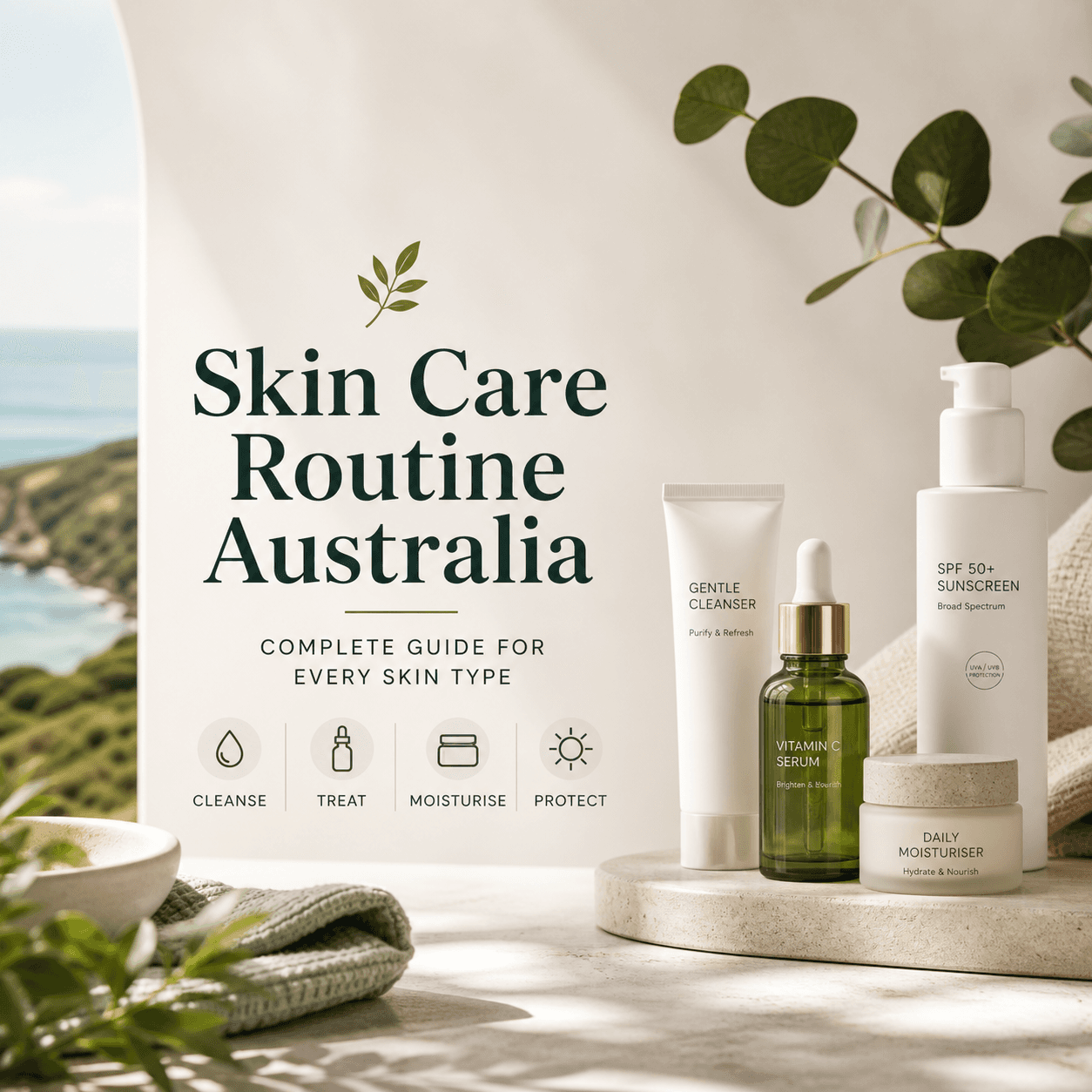
Skin Care Routine Australia: Complete Guide for Every Skin Type
Affiliate Disclosure: This post includes affiliate links. We may earn a small compensation if you purchase via them, at no extra cost to you. We provide suggestions based on independent research and honest reviews. Did you know this? Australia has one of the highest rates of melanoma in the world and an estimated 17,443 new melanoma […]
Affiliate Disclosure: This post includes affiliate links. We may earn a small compensation if you purchase via them, at no extra cost to you. We provide suggestions based on independent research and honest reviews.
Did you know this? Australia has one of the highest rates of melanoma in the world and an estimated 17,443 new melanoma cases are diagnosed each year, according to the AIHW Cancer Data in Australia 2026.
If you want a skin care routine Australia readers can actually stick to, do this: cleanse gently, treat with one targeted active, moisturise properly, and wear SPF every single morning. Then adjust the details for your skin type, the Australian climate, and your lifestyle. That’s the whole game. The reason most people struggle with a skin care routine in Australia isn’t effort. It’s overload, harsh products, and skipping sunscreen in a country where UV can punish skin fast.
In this guide, we’ll build a practical skin care routine in Australia for every skin type, with product textures that suit Aussie heat, humidity, air-con, beach days, and dry winter wind. We’ll also keep it real: you don’t need 12 steps, but you do need consistency and smart choices.
Table of Contents
Why A Skin Care Routine In Australia Needs A Different Approach
A skin care routine Australia plan has to respect our UV index, heat swings, and lifestyle. We deal with beach days, long commutes, sport outdoors, and air-conditioned offices. Many Aussies also rotate between humid coastal weather and dry inland air. Your skin reacts to all of it.
“In Australia, UV exposure drives premature ageing and pigmentation more than people realise. If you want results from vitamin C, retinoids, or brightening treatments, you must anchor your routine with daily SPF and reapplication.”
Dr. Sarah Nguyen (MBBS), Skin Health Reviewer
So when we talk about a skin care routine in Australia guide, we really mean: a routine built for high UV, high activity, and real life.
The Core Rules Of A Skin Care Routine Australia Readers Can Trust
You’ll see product trends everywhere. Ignore most of them. A strong skin care routine follows these rules:
- You protect your barrier first. If your skin stings, flakes, or feels tight, your routine needs less intensity and more hydration.
- You pick one main treatment goal at a time. Acne? Pigmentation? Fine lines? Choose the priority and build around it.
- You wear SPF 50+ broad spectrum daily, even when it looks cloudy. Australia’s UV doesn’t negotiate.
Emma Lewis, Diploma Of Beauty Therapy, says: “People chase glow with acids, but they forget moisturiser and sunscreen. When you support the barrier and stay consistent, your skin starts to look ‘expensive’ fast.”
How To Build Your Routine With The “Four Pillars” Method
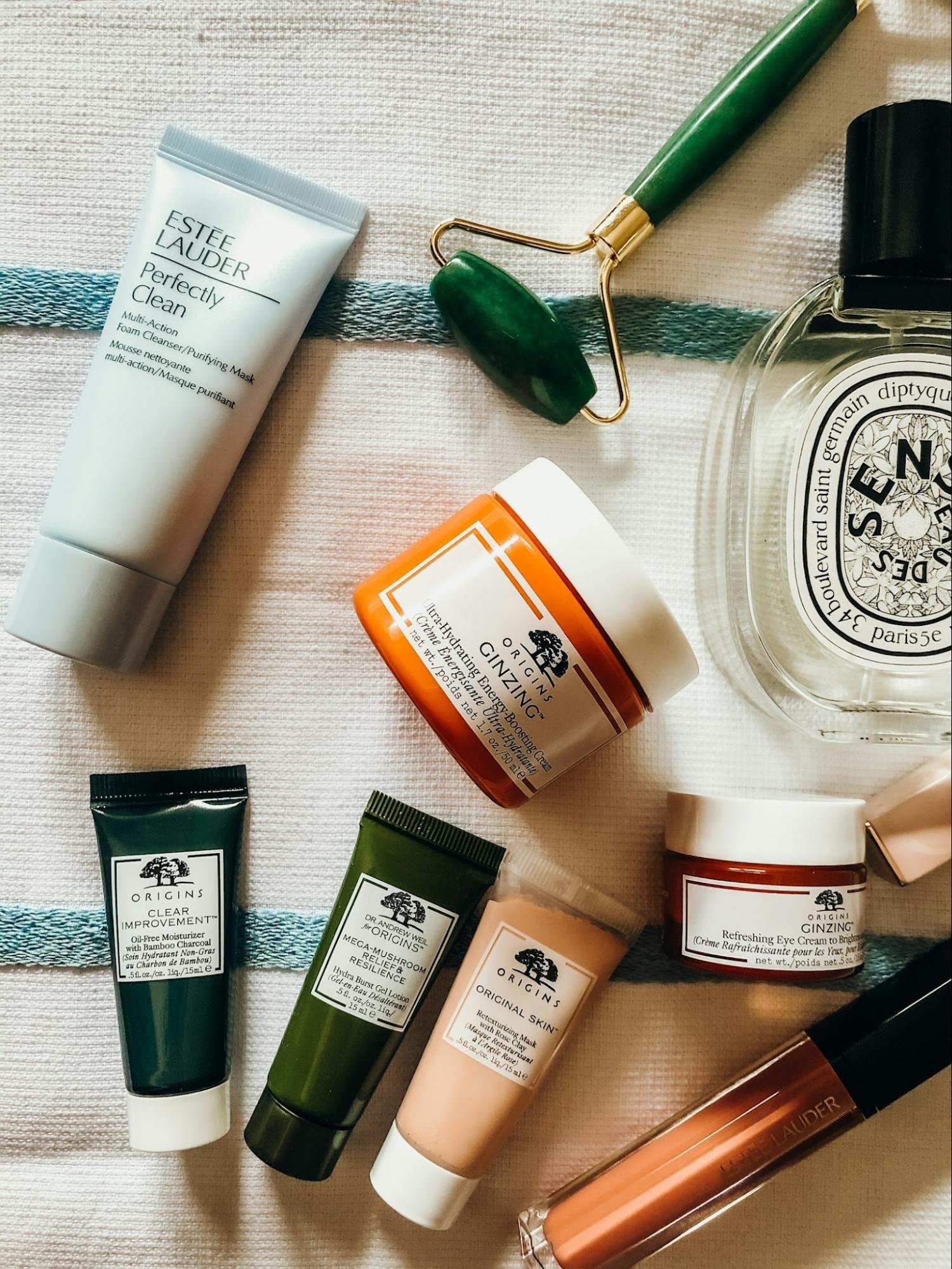
Every skin care routine Australia plan should revolve around four pillars. Keep these stable, then tweak extras.
Step 1: Cleanse Without Stripping
Use a gentle cleanser that doesn’t leave you squeaky-clean. In Aussie summer, you might cleanse twice if you wear sunscreen and sweat. In winter, you might cleanse once at night and rinse in the morning.
Step 2: Treat With One Targeted Active
Pick one: vitamin C (brightening), niacinamide (oil control and redness), azelaic acid (acne and pigmentation), BHA (blackheads), retinoid (ageing and acne). Add only one at first.
Step 3: Moisturise For Your Climate And Skin Type
Light gel moisturisers work well in humidity. Creams work better in dry winter or for barrier repair. Your skin care routine in Australia should match your environment, not just your skin type.
Step 4: SPF Every Morning, Reapply When Needed
Choose SPF 50+ broad spectrum. For daily use, pick a finish you enjoy so you wear it. For outdoor time, pick water-resistant and reapply.
The Best Morning Skin Care Routine in Australia
Here’s the morning template that suits almost everyone. We’ll customize later.
Start with a gentle cleanse or rinse. If your skin feels dry, just rinse with lukewarm water and pat dry.
Follow with a serum (optional). Vitamin C suits dullness and pigmentation. Niacinamide suits oil control and redness.
Moisturise lightly. Choose a texture that sits well under sunscreen.
Finish with SPF 50+ broad spectrum. Apply enough. Most people under-apply and wonder why they still tan or spot.
If you want a skin care routine in Australia that actually prevents sun damage, treat sunscreen like a measured step, not a “quick swipe.”
The Best Night Skin Care Routine Australia Plan
Your night routine does the heavy lifting.
Cleanse properly. If you wear sunscreen or makeup, use a first cleanse (oil or balm) and follow with a gentle water-based cleanser.
Apply your active on a schedule. Retinoids usually work best at night. Exfoliants work best 1 to 3 nights per week, not daily.
Moisturise. If your skin feels reactive, use a bland, fragrance-free moisturiser and skip actives until calm returns.
This structure keeps your skin care routine Australia effective without triggering irritation.
Skin Care Routine in Australia For Oily Skin

The best skin care routine in Australia for oily skin focuses on balance. You don’t “dry out” oil. You regulate it.
In the morning, cleanse gently. Use niacinamide if you tolerate it. Apply a lightweight gel moisturiser. Finish with SPF 50+ with a matte or natural finish.
At night, double cleanse if you wear heavy sunscreen. Use a BHA (salicylic acid) 2 to 4 nights per week for clogged pores. On off nights, keep it simple with moisturiser.
If you overdo acids, oily skin often gets oilier. Your skin tries to protect itself.
Expert note from Emma Lewis: “I see oily clients scrub daily. Their skin looks shiny because it feels inflamed. A consistent, gentle skin care routine Australia plan usually reduces shine within weeks.”
Skin Care Routine in Australia For Dry Skin
Dry skin needs comfort first. The best skin care routine in Australia for dry skin builds hydration and barrier support, especially during winter in Melbourne, Canberra, Adelaide, and inland areas.
In the morning, skip foaming cleansers. Rinse or use a cream cleanser. Add a hydrating serum with glycerin or hyaluronic acid if your skin likes it. Use a richer moisturiser. Finish with SPF 50+ that doesn’t sting.
At night, cleanse gently. Use a retinoid only if your barrier feels stable. If you start retinoids, use the “moisturiser sandwich” method: moisturiser, retinoid, moisturiser. That keeps your skin care routine in Australia comfortable.
If you wake up tight, add an occlusive layer (like a petrolatum-based balm) two nights a week.
Skin Care Routine Australia For Sensitive Skin
Sensitive skin wins with boring consistency. Your skin care routine in Australia should avoid fragrance, essential oils, and aggressive exfoliation.
In the morning, rinse or cleanse with a very gentle formula. Use a simple moisturiser. Wear SPF 50+ designed for sensitive skin.
At night, cleanse gently and moisturise. Add actives slowly. Azelaic acid often suits sensitive, red-prone skin, but patch tests first and start twice a week.
Dr. Sarah Nguyen: “Sensitive skin improves when you cut back steps and protect the barrier. If products sting, stop them. Don’t push through discomfort.”
If you want a skin care routine in Australia that calms redness, you need patience, not power.
Skin Care Routine Australia For Acne-Prone Skin
Acne-prone skin needs a routine that treats acne without wrecking the barrier. That’s the sweet spot for a skin care routine Australia plan.
In the morning, cleanse gently. Use benzoyl peroxide wash if you tolerate it, especially for body acne, but keep it short-contact. Add niacinamide or azelaic acid. Moisturise lightly. Wear SPF 50+ (non-comedogenic helps, but texture matters more).
At night, double cleanse if you wear sunscreen. Use adapalene or a retinoid 2 to 3 nights per week, then build up. Use BHA on separate nights if you deal with blackheads. Don’t stack retinoid and exfoliant on the same night early on.
If you get deep, painful acne, speak to a GP or dermatologist. A skin care routine Australia guide helps a lot, but prescriptions can change the game.
Skin Care Routine Australia For Combination Skin
Combination skin does best with zone control. Your skin care routine Australia should keep cheeks comfortable and T-zone clear.
In the morning, cleanse gently. Apply niacinamide mainly on the T-zone if you feel greasy. Use a light moisturiser all over, then add a richer moisturiser just on dry areas if needed. Finish with SPF 50+.
At night, cleanse. Use BHA on the T-zone 2 to 3 nights per week. Use a retinoid 2 nights per week on the full face if your skin tolerates it, or keep it to problem zones.
You don’t need two separate routines. You just need smart placement within your skin care routine Australia plan.
Skin Care Routine Australia For Mature Skin
Mature skin responds to consistency and protection. The best skin care routine Australia plan targets collagen support and pigment control while prioritising hydration.
In the morning, cleanse gently. Apply vitamin C if you tolerate it. Moisturise well. Wear SPF 50+ daily and reapply during long outdoor days. This step matters most in Australia if you want fewer sunspots.
At night, cleanse. Use a retinoid on a steady schedule. Moisturise. Add a barrier-support cream on rest nights.
If pigmentation bothers you, add azelaic acid or a pigment serum on alternate nights, but don’t overload.
Key Takeaways
- A skin care routine Australia plan should prioritise UV protection, barrier support, and climate-friendly textures.
- You’ll get better results from fewer products used consistently than from constant “new” routines.
- Most irritation comes from over-exfoliating, stacking actives, and using harsh cleansers.
- You can customise your skin care routine in Australia with one “hero active” at a time: vitamin C, retinoid, azelaic acid, or BHA.
- Sunscreen makes or breaks every routine in Australia, especially if you treat pigmentation, redness, or ageing.
Final Thought
If you feel overwhelmed by skincare advice online, we get it. We built Health Hub AU to make health and beauty feel clearer, safer, and more practical. We publish evidence-informed guides, and certified experts write our content with medical review, so you can build a skin care routine in Australia plan you trust. If you want personalised, no-hype guidance, email us at healthhubau@gmail.com and we’ll help you figure out your next best step.
FAQs
How Many Steps Should A Skin Care Routine Australia Plan Include?
Most people do best with four steps: cleanse, treat, moisturise, SPF. At night, swap SPF for a targeted active. Extra steps only help when you already nail consistency.
Should I Wear Sunscreen Indoors In Australia?
If you sit near windows, drive often, or take outdoor breaks, yes. If you stay away from windows all day, you can prioritise morning SPF and reapply when you head outside.
Can I Use Retinol And Exfoliating Acids In The Same Week?
Yes, but separate them. Use retinoid two to four nights weekly and acids one to two nights weekly. This schedule protects your barrier and improves results over time.
What Is The Best Skin Care Routine Australia Approach For Pigmentation?
Use SPF 50+ daily, add vitamin C in the morning, and consider azelaic acid or a retinoid at night. Pigmentation responds slowly, so stay consistent for at least 8 to 12 weeks.
Disclaimer: This article is for informational purposes only and does not constitute medical advice. Always consult a qualified healthcare professional before making any changes to your diet, exercise routine, or health regimen. The information provided is general in nature and may not apply to your individual circumstances.
Author Details
