
Women’s Health Australia: The Complete Guide 2026
Did you know that 61% of Australian women have at least one long-term health condition? (AIHW). Australian women have a high life expectancy of 85.5 years, but they also spend an average of 11.3 of those years not in full health. If you’ve been feeling low on energy or seeing recurrent health difficulties, your long-term […]
Did you know that 61% of Australian women have at least one long-term health condition? (AIHW). Australian women have a high life expectancy of 85.5 years, but they also spend an average of 11.3 of those years not in full health.
If you’ve been feeling low on energy or seeing recurrent health difficulties, your long-term well-being could be playing a bigger role than you believe. This book distills the most important learnings about women’s health and the best evidence-based approaches to improve quality of life, from Australian health statistics and expert advice.
A clear, practical roadmap for women’s health Australia in 2026, focus on three things first: preventative screenings, everyday lifestyle basics, and getting the right care early.
For women’s health, outcomes improve fast when you act before symptoms worsen, track changes over time, and use evidence-based support instead of guesswork.
Women’s health in 2026 comes down to consistent prevention, smart monitoring, and early treatment. Prioritise cervical screening, breast checks, sexual health, mental health support, cardiometabolic risk (blood pressure, cholesterol, insulin resistance), and life-stage care from puberty to post-menopause.
This guide walks you through exactly what to do, what to book, what to eat, what to ask your GP, and how to navigate women’s health in Australia with confidence.
Table of Contents
What does “women’s health” include in Australia in 2026?
Women’s health Australia covers far more than reproductive health. It includes hormones, mental health, chronic disease risk, sexual wellbeing, bone health, nutrition, fitness, skin health, sleep, and the way social stressors impact the body. In women’s health Australia, you also navigate a system that involves Medicare, private providers, allied health, pharmacies, telehealth, and community clinics, so knowing your options matters.
A helpful way to think about women’s health Australia in 2026: you manage your health in life stages, and each stage has a few “big ticket” priorities. That prevents you from chasing random supplements or internet trends.
Which health checks should women in Australia prioritise in 2026?
You get the best results in women’s health Australia when you screen early and regularly. Start with the checks below, then tailor based on your history, symptoms, and family risk.
What screenings matter most for women’s health in Australia?
Cervical screening saves lives. Australia uses the Cervical Screening Test (CST) rather than the old Pap smear schedule, and eligible people usually screen every five years. If you feel unsure about timing, ask your GP to check your record and book you in.
Breast screening matters too. Many women in Australia access BreastScreen programs when eligible. If you notice a new lump, nipple changes, skin dimpling, or persistent pain in one spot, see your GP now. Don’t wait for a routine screen.
STI testing supports women’s health Australia at every age. If you have a new partner, multiple partners, symptoms, or you want peace of mind, ask for a sexual health screen. Many STIs stay silent, and early treatment prevents complications.
Heavy periods, pregnancy, vegetarian diets, endurance training, and gut issues can all lower iron. Ask for iron studies (not just ferritin alone) if symptoms persist.
Skin checks belong in the Australian context. Australia has high UV exposure, and skin cancer risk affects everyone. Track changing moles and book skin checks when you notice changes or you have higher risk.
Tip: Ask your clinic for a longer appointment. You’ll cover more in one visit and get better continuity, which improves women’s health Australia outcomes.
What should women eat for better health outcomes in Australia in 2026?
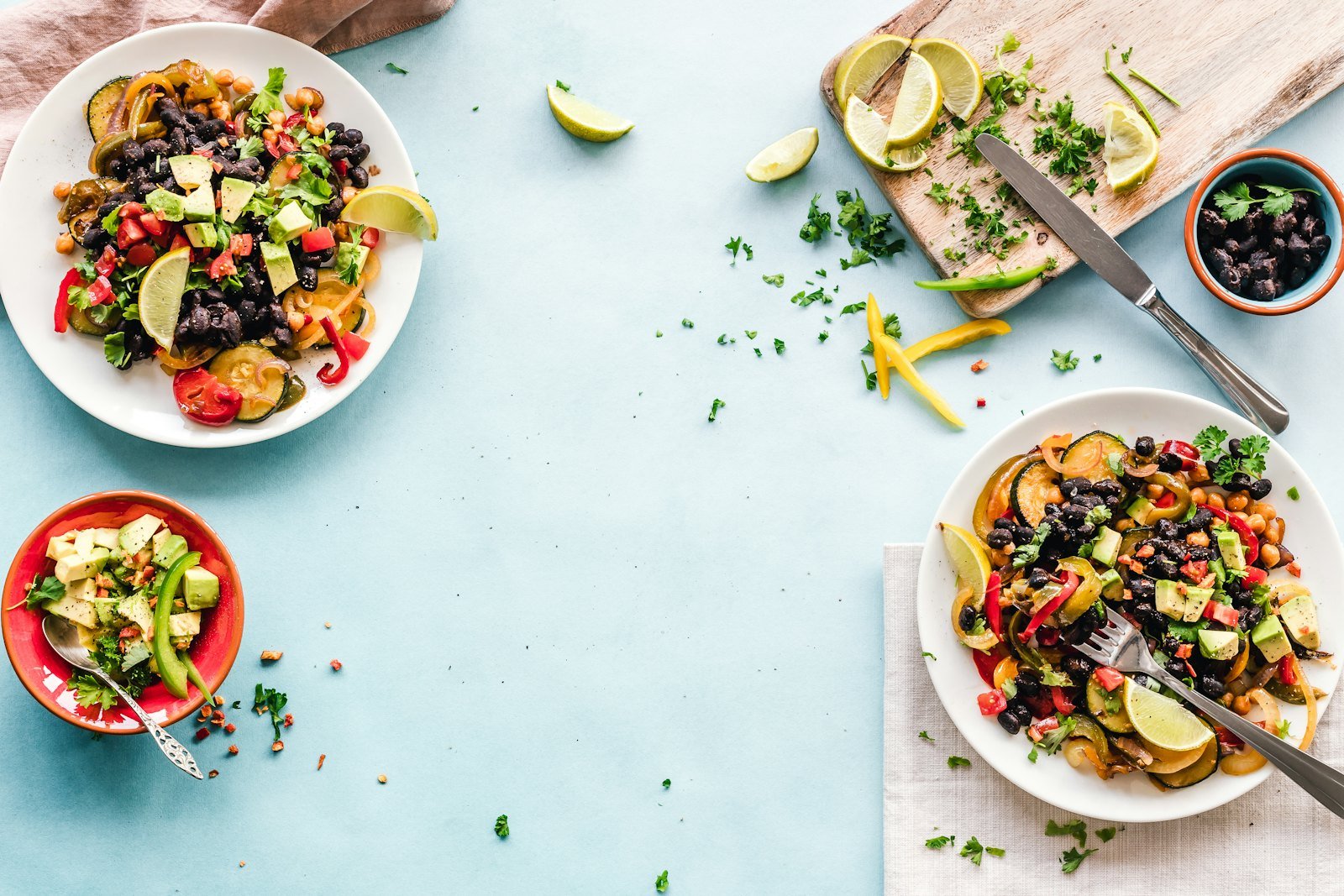
When it comes to women’s health Australia, the ideal “diet” may seem unexciting: think protein, fibre, colourful plants, and sufficient total energy to fuel your lifestyle.
If you find yourself feeling tired, cold, foggy-headed or breathless during exercise, don’t make assumptions about what might be wrong. Instead, consult your GP about getting blood tests done because women’s health Australia can significantly improve when food choices are aligned with actual lab results. If iron deficiency is suspected based on symptoms or test results,this resource could provide valuable insights into managing it effectively.
A simple Australian-friendly plate guide
Aim for a plate that includes protein, plants, and smart carbs. You can tailor it for culture, budget, and preferences.
Add more of these most days: Greek yoghurt, eggs, tuna or salmon, tofu, lentils, chicken, lean red meat (if you eat it), beans, oats, berries, leafy greens, olive oil, nuts, seeds, and wholegrains.
If you feel stuck, start with breakfast. A higher-protein breakfast often stabilises hunger and mood across the day, which supports women’s health Australia in a very real way.
How much exercise do women need for health in Australia in 2026?
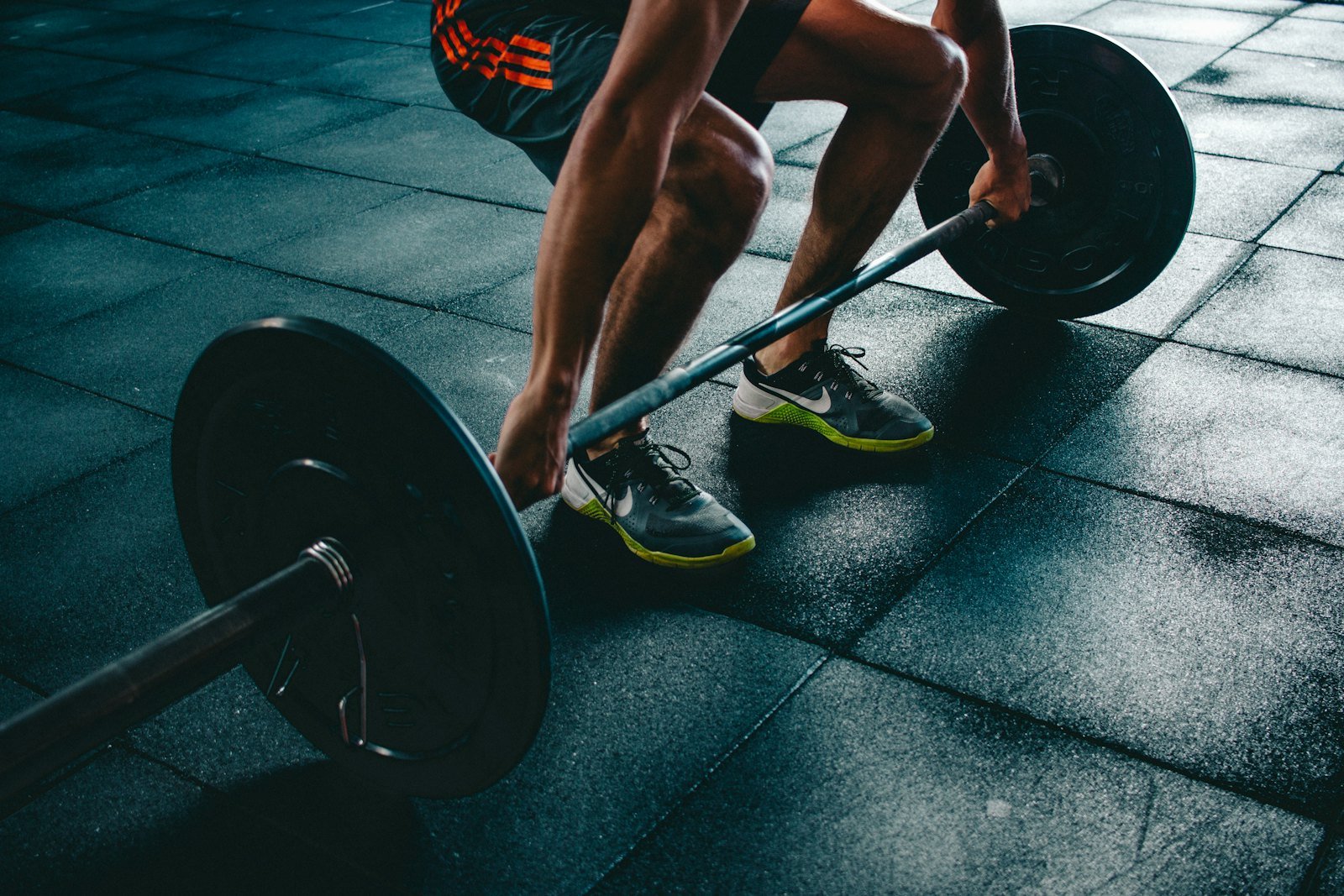
If you want the biggest return on effort for women’s health Australia, prioritise strength training. Cardio helps, but strength training changes body composition, insulin sensitivity, bone density, posture, injury risk, and menopause resilience.
Aim for a simple weekly structure: two to four strength sessions, plus walking or cardio for heart health, plus mobility for joints. You don’t need fancy equipment. You need progressive overload and consistency.
In 2026, many women also use wearable data. That helps if it reduces guesswork, but don’t let metrics bully you. Your body still gives the best signals: sleep quality, energy, menstrual regularity, libido, mood stability, and recovery speed. Those outcomes sit at the core of women’s health Australia.
What should women know about contraception and sexual health in Australia in 2026?
In women’s health Australia, contraception should fit your body, your risk profile, your goals, and your tolerance for side effects. No method works perfectly for everyone, and you deserve a clinician who discusses options without judgment.
Hormonal contraception can help with painful periods, heavy bleeding, acne, and endometriosis symptoms for some women, while others feel mood changes, libido shifts, or breakthrough bleeding. Non-hormonal options work well for many people too, and barrier methods remain essential for STI protection.
Sexual health also includes comfort, pleasure, and pain-free intimacy. If you experience pain with sex, bleeding after sex, recurrent UTIs, dryness, or persistent thrush symptoms, bring it up early. These issues show up often in women’s health Australia, and clinicians can treat them.
How do you recognise endometriosis and adenomyosis symptoms early?
Endometriosis and adenomyosis can seriously affect women’s health Australia, and many women spend years chasing answers. You don’t need to “tough it out” if pain disrupts your life.
Common red flags include severe period pain, pain with bowel movements or urination during periods, pain during sex, chronic pelvic pain, heavy bleeding, fatigue, and fertility challenges. If you suspect endometriosis, ask your GP for a plan that includes symptom management now, plus referral pathways when needed.
Bring specifics: when pain starts, where it sits, what makes it worse, what helps, and how it affects daily function. Specifics move you forward in women’s health Australia.
What does fertility, preconception, and pregnancy care look like in Australia in 2026?
If pregnancy sits on your horizon, women’s health Australia rewards preparation.
Many women also discuss folate supplementation, iron, iodine needs, vitamin D, and lifestyle changes that support healthy conception.
During pregnancy, you’ll likely juggle GP care, midwife support, obstetric care in some pathways, scans, blood tests, and mental health screening. If anxiety spikes, speak up early. Early support helps you enjoy pregnancy more, and it protects women’s health Australia across the postpartum transition.
How can women protect mental health in Australia in 2026?
Mental health sits at the centre of women’s health Australia, not at the edge. Hormonal shifts, caregiving load, financial stress, sleep disruption, body image pressure, and trauma can all stack up.
If you feel persistently low, anxious, numb, irritable, or overwhelmed, treat it like a health issue you can address. Start with a GP appointment and ask about a Mental Health Treatment Plan if appropriate. Ask about therapy options, medication discussions, sleep support, and lifestyle levers you can actually sustain.
Also watch for cycle-linked mood changes. PMDD and severe PMS can show up as intense irritability, depression, anxiety, or hopelessness in the luteal phase, followed by relief after your period starts. Tracking gives you proof and a path forward, and that strengthens women’s health Australia care.
If you ever feel unsafe or at risk of self-harm, seek urgent help immediately through emergency services or crisis lines in your area.
What should women know about sleep and fatigue in Australia in 2026?
If you want a “hidden” upgrade for women’s health Australia, fix sleep first. Sleep affects appetite hormones, insulin sensitivity, mood, immune function, pain sensitivity, training recovery, libido, and skin.
Fatigue doesn’t mean laziness. In women’s health Australia, fatigue often links to iron deficiency, thyroid issues, sleep apnoea, depression, chronic stress, perimenopause sleep disruption, under-eating, over-training, or chronic inflammation.
How do women reduce heart disease and metabolic risk in Australia?
Many women think heart disease looks like sudden chest pain, but in women’s health Australia, symptoms can appear more subtly. You might notice unusual breathlessness, persistent fatigue, nausea, jaw or back discomfort, or reduced exercise tolerance.
Prevention still works best. Focus on blood pressure, lipids, blood sugar, waist circumference, sleep, smoking status, alcohol intake, fibre intake, and strength training. If you have a family history, gestational diabetes history, PCOS, or you enter menopause, ask your GP how often you should check your markers.
In women’s health Australia, menopause marks a real metabolic transition for many women. You can respond with training, protein, fibre, and medical support when appropriate.
How can women protect bone health and prevent osteoporosis in Australia?

Bone health often hides until it doesn’t. In women’s health Australia, the best bone strategy includes strength training, impact where appropriate, adequate calcium intake from food, vitamin D, and avoiding smoking.
Low body weight, under-eating, amenorrhea, thyroid issues, long-term steroid use, family history, and menopause can raise risk. If you worry about risk, ask your GP when you should assess bone density. You build bone habits early, but you can improve outcomes at any age, and that matters in women’s health Australia.
What should women know about gut health, bloating, and IBS in Australia?
Gut symptoms can affect quality of life, confidence, and nutrition. In women’s health Australia, bloating and IBS-like symptoms show up often, and they can overlap with endometriosis, food intolerance, stress, coeliac disease, and pelvic floor dysfunction.
If you feel bloated daily, struggle with constipation or diarrhoea, see blood in stool, lose weight unexpectedly, or wake at night due to symptoms, book medical review. Don’t self-diagnose for months.
For everyday support, build slowly: consistent meal timing, fibre increases over weeks, hydration, walking, and stress regulation. If you try a low-FODMAP approach, do it with professional guidance so you don’t unnecessarily restrict your diet. Smart gut care supports women’s health Australia across energy, mood, and hormones.
How do women manage recurring UTIs, thrush, and vaginal health in Australia?
Recurring urinary and vaginal symptoms can feel frustrating, and they affect women’s health Australia more than many people admit.
If you get frequent UTIs, ask your GP about urine testing, triggers, hygiene factors, vaginal estrogen options in menopause (when appropriate), and prevention strategies. If you get recurrent thrush symptoms, request proper testing. Some women treat “thrush” repeatedly when they actually deal with dermatitis, bacterial vaginosis, resistant yeast, or irritation from products.
Use gentle, fragrance-free care. Avoid harsh internal cleansing. If you feel burning, itching, unusual discharge, odour changes, pain, or bleeding, book an assessment rather than guessing. Clear diagnosis improves women’s health Australia outcomes quickly.
What role do supplements play for women’s health in Australia in 2026?
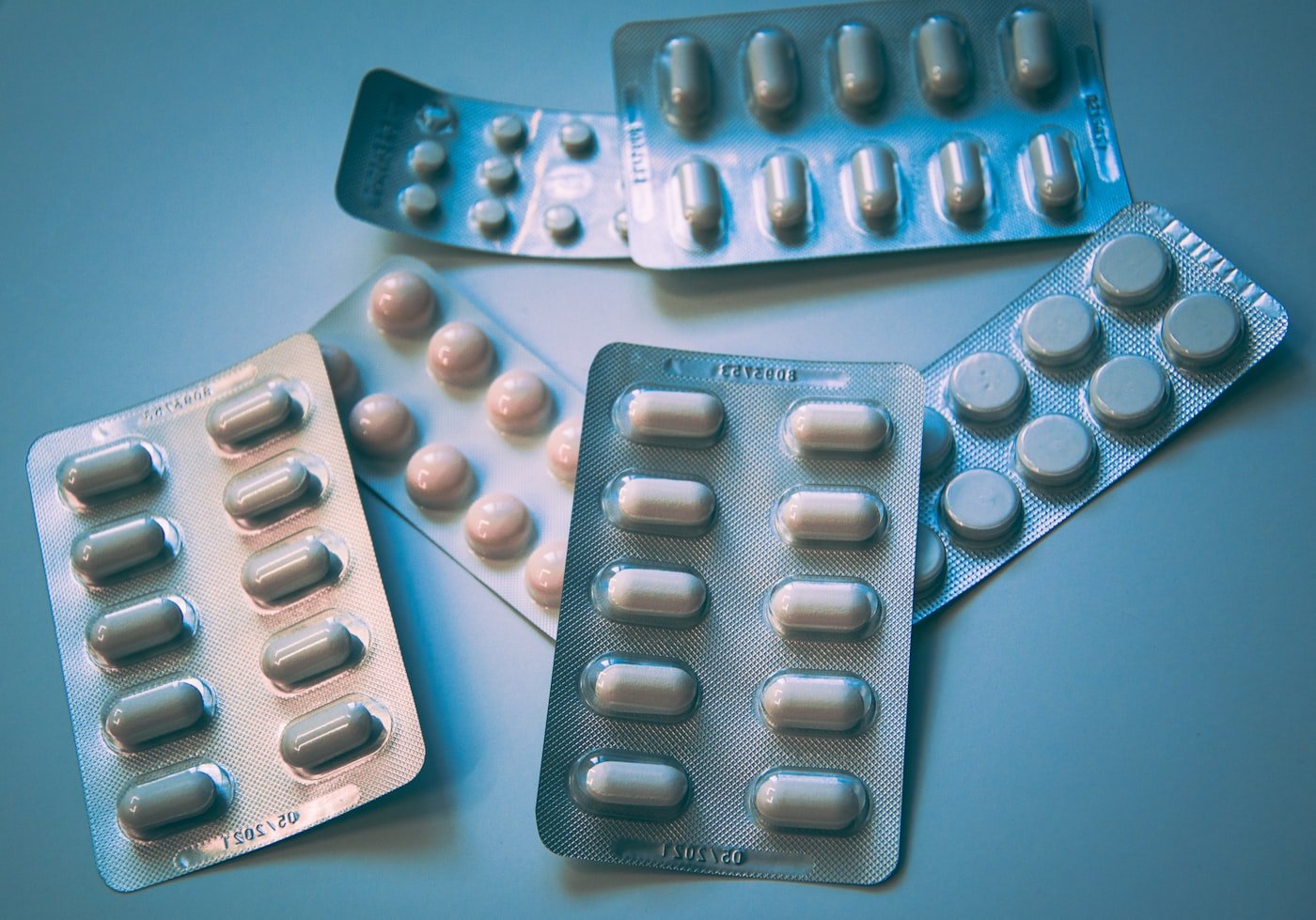
Supplements can help, but they should support a plan rather than replace one. In women’s health Australia, the best supplement strategy starts with labs, symptoms, diet, and a clear reason.
Common examples include iron (only when deficiency shows), vitamin D (when low), B12 (especially for vegans), iodine in pregnancy planning (as advised), and magnesium for some sleep or migraine patterns. Don’t stack ten supplements and hope for a miracle. If you take multiple products, tell your GP and pharmacist to prevent interactions, which matters in women’s health Australia.
How do you build a women’s health plan you can actually follow in Australia?
A realistic plan beats a perfect plan. In women’s health Australia, you succeed when you pick a few high-impact habits and repeat them.
Start with a personal baseline: sleep schedule, movement, protein and fibre targets, hydration, stress tools, and screening dates. Track symptoms monthly, not obsessively, then make adjustments.
If you want a simple structure, use this approach: book checks, build habits, and respond early to changes. That one loop covers most of women’s health Australia.
What should women do if they feel dismissed by a clinician in Australia?
This happens, and it can derail women’s health Australia outcomes. You can respond calmly and firmly.
Bring notes, ask for differential diagnoses, ask what the clinician would do if symptoms worsen, and ask what criteria trigger referral or imaging. If you still feel stuck, request a second opinion or switch clinics. You deserve clarity, and you deserve to feel safe while discussing pain, bleeding, sex, mood, and body changes. That expectation supports women’s health Australia at a system level too.
Key takeaways you can act on today
If you do nothing else after reading, do these. They create the biggest lift for women’s health Australia with the least effort.
- Book overdue screening: cervical screening, breast screening (when eligible), STI tests when relevant, plus a basic blood pressure and blood test check-in.
- Build a “boring but powerful” base: protein at each meal, fibre daily, strength training twice weekly, consistent sleep, and sunlight early in the day.
- Track patterns for 30 days: cycles, mood, energy, bleeding, pain, headaches, digestion, and sleep. Bring notes to your GP.
- Treat symptoms as data, not drama: heavy bleeding, persistent pelvic pain, recurring thrush, urinary symptoms, mood crashes, and fatigue deserve assessment.
- Choose care that listens: you can switch GPs, request a longer consult, and ask direct questions until you get clarity.
Conclusion
If you want to navigate women’s health in Australia with less confusion and more confidence, we’ve got you covered at Health Hub AU. Founded in July 2025, we create guides written by certified experts and reviewed by our award-winning doctors, fitness coaches, beauticians, and astrologists for accuracy and safety.
We provide content that is practical and useful whether you need screening clarity, hormone support, fitness plans, nutrition help, or mindset tools that fit real life.
If there’s a topic you’d like us to cover or a trend you’d like reviewed or if you have any women’s health questions that need simplifying, feel free to email us at healthhubau@gmail.com. We’re here to assist Australians in making smarter health decisions starting today.
Like, comment on, and share our blogs for such informational and useful advice.
FAQs
1) What should I prioritise first for women’s health Australia in 2026?
Start with overdue screenings, blood pressure, and baseline blood tests, then build consistent sleep, protein, fibre, and strength training. Track symptoms for 30 days so your GP can act faster.
2) How often should I do cervical screening in women’s health Australia?
Many eligible people screen every five years, but your timing depends on history and results. Ask your GP to confirm your due date and book it, especially if symptoms appear.
3) What symptoms should never feel “normal” in women’s health Australia?
Severe period pain, heavy bleeding, bleeding after sex, persistent pelvic pain, recurring UTIs or thrush, sudden cycle changes, and ongoing fatigue deserve assessment. Don’t self-treat for months without answers.
4) What lifestyle change gives the biggest results for women’s health Australia?
Strength training plus higher-protein, high-fibre meals usually delivers the biggest payoff. You improve mood, insulin sensitivity, bone support, body composition, and menopause resilience without needing extreme diets.
5) How do I advocate for myself in women’s health Australia appointments?
Bring notes, ask direct questions, and request a plan with next steps. Ask what would trigger tests or referrals. If you still feel dismissed, seek a second opinion or switch providers.
Disclaimer: This article is for informational purposes only and does not constitute medical advice. Always consult a qualified healthcare professional before making any changes to your diet, exercise routine, or health regimen. The information provided is general in nature and may not apply to your individual circumstances.
Author Details
