
Best Sleep Tips for Australians: Fix Your Sleep in 7 Days
Did you know? According to the Australian Institute of Health and Welfare (AIHW), 66% of Australian adults have at least one sleep problem and 48% have two or more recurring sleep-related difficulties, showing just how common bad sleep has become in Australia. If you want better sleep within a week, you need to anchor your […]
Did you know? According to the Australian Institute of Health and Welfare (AIHW), 66% of Australian adults have at least one sleep problem and 48% have two or more recurring sleep-related difficulties, showing just how common bad sleep has become in Australia.
If you want better sleep within a week, you need to anchor your wake time, get bright morning light, cut caffeine earlier, cool and darken your room, and run a simple wind-down routine every night. This guide shares practical sleep tips Australia readers can follow today, even if shift work, stress, heat, and busy evenings usually wreck your nights. We’ll keep it realistic, focused, and built for Australian life, from early sunrises to hot summers and late coffees.
You’ll see sleep tips Australia throughout this plan because the “right” advice changes depending on your daylight, temperature, lifestyle, and schedules. If you follow the next 7 days closely, most people notice faster sleep onset, fewer night wake-ups, and better morning energy.
Table of Contents
What should you do first to sleep better in 7 days in Australia?
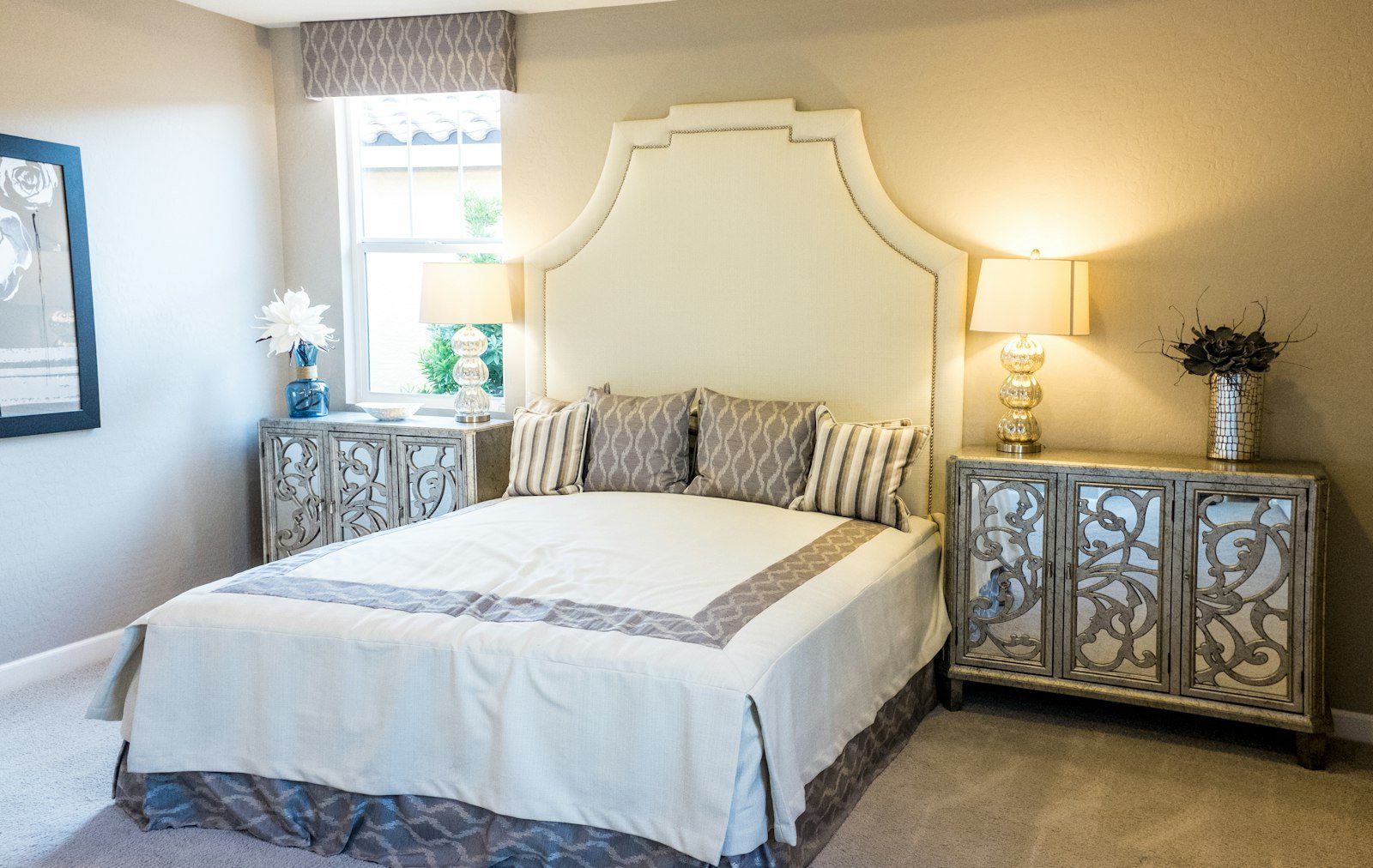
Start by setting a fixed wake-up time for every day this week, then build bedtime around it. This one move stabilises your body clock, which controls when you feel sleepy and when you feel alert. Most “quick fixes” fail because people chase an earlier bedtime while waking up at random times.
“This technique is called Stimulus Control Therapy and was created by Dr. Richard Bootzin in 1972 and remains one of the cornerstones of Cognitive Behavioural Therapy for Insomnia (CBT-I), one of the most successful non-medication therapies for chronic insomnia. “
If you want sleep tips in Australia readers can trust, this is the highest-impact one. Choose a wake time you can keep on workdays and weekends. If you currently wake at 10am on weekends and 6:30am on weekdays, aim for a middle ground you can hold for the full 7 days, like 7:30am.
Once you lock that in, the rest gets easier because your sleep pressure and circadian rhythm start cooperating instead of fighting you.
Day 1: How do you set your body clock with light in Australia?
Get outdoor light early and keep evenings dim. Light acts like a “reset button” for your circadian rhythm, and Australia’s sunlight gives you a huge advantage if you use it at the right time.
On Day 1, do two things.
First, go outside within an hour of waking and spend 10 to 20 minutes in daylight. If it’s cloudy, stay out a bit longer. If you work from home, take your coffee or tea outdoors. If you commute, walk part of the way. This single habit ranks high among evidence-based sleep tips Australia audiences can apply without buying anything.
Second, lower light in the last 60 to 90 minutes before bed. You don’t need to live in darkness, but you do want warmer, dimmer lighting. Your brain reads bright light as a “stay awake” signal.
Day 2: What bedtime should you aim for if you want to fall asleep faster?
Aim for a bedtime that matches your real sleepiness, not your ideal schedule. People often jump into bed early, feel frustrated, and accidentally train their brain to associate bed with being awake.
On Day 2, keep your fixed wake time, then set a “lights-out window” based on when you actually feel sleepy. If you usually fall asleep around 11:30pm, don’t force 10pm. Move earlier by 15 minutes every two nights once you feel stable.
This approach belongs in any honest sleep tips Australia guide because it fits real life. If you feel wide awake at 10:30pm, you don’t have a motivation problem. Your body clock simply hasn’t caught up yet.
A simple rule helps: you should feel heavy-eyed, yawn, and struggle to read a few pages. That’s your cue. If you don’t feel it, stay in low light and do a calm activity until you do.
Today’s target: same wake time + bed only when sleepy + no “revenge bedtime procrastination” scrolling in bed.
Day 3: When should Australians stop caffeine for better sleep?
Stop caffeine 8 to 10 hours before bed, and treat it like a sleep tool, not a personality trait. Caffeine sticks around longer than most people think. Even if you fall asleep, it can fragment your sleep and reduce deep sleep.
If you want practical sleep tips Australia readers can use, here’s the simplest caffeine cut-off: count back 10 hours from bedtime.
If you aim to sleep at 10:30pm, stop caffeine by 12:30pm. If that feels brutal, start with 8 hours, then shift earlier. If you drink a lot of coffee, taper over several days to avoid headaches.
Day 4: How do you cool your bedroom in an Australian summer?
Keep your bedroom cool, dry, and breathable because temperature controls sleep depth. Warm nights trigger more wake-ups, especially in many parts of Australia.
You don’t need to freeze the room. Most people sleep best in a cool environment with warm bedding. On Day 4, focus on “cool body, cosy bed.”
Start with what you can control fast:
- Set the air con to a modest cool temp for the first part of the night, then use a timer.
- Run a fan to move air across your skin, which helps sweat evaporate.
- Take a warm shower 60 to 90 minutes before bed. It sounds backwards, but it helps your body cool down after.
- Use breathable sheets (cotton, bamboo, linen) and avoid heavy synthetic doonas in summer.
- If you wake hot, keep a spare light blanket nearby instead of fighting with the doona at 2am.
These are classic sleep tips Australia readers look for every summer because heat ruins sleep more than people admit.
Today’s target: cool room + breathable bedding + consistent wake time.
Day 5: How do you stop overthinking at night without “trying harder”?
You stop the mental spiral by giving your brain a container for worries earlier in the evening. Most people don’t need more willpower. They need a simple off-ramp.
On Day 5, add a 10-minute “worry download” around 6 to 8pm. Write down what’s stressing you, then write the next tiny action for each item. Don’t solve your life. Just define the next step.
Then, set a boundary: once you finish the list, you stop problem-solving for the day. If a worry pops up in bed, remind yourself, “It’s on the list. I’ll handle it tomorrow.”
This technique shows up in the best sleep tips Australia discussions because it works for anxious minds, busy parents, and professionals who lie awake planning the next day.
Day 6: What should you do if you wake up at 3am and can’t get back to sleep?
Get out of bed if you stay awake for about 20 minutes, do something boring in dim light, then return when sleepy. You want to protect the bed as a cue for sleep, not wakefulness.
On Day 6, rehearse your “3am plan” so you don’t panic when it happens. Night waking feels worse when you start checking the time, doing mental maths, and thinking, “Tomorrow is ruined.” That stress wakes you up even more.
Day 7: How do you lock in your results and make your sleep stick?

You keep your wake time stable, then you tighten the two biggest disruptors: weekend drift and late-night screens. Day 7 isn’t about perfection. It’s about making this week repeatable.
Start by reviewing what actually moved the needle for you. Most Australians feel the biggest change from three sleep tips Australia basics: consistent wake time, morning light, and earlier caffeine cut-off. Keep those as your “minimum effective dose” on busy days.
Key takeaways you can follow tonight
- Pick one wake time and keep it for 7 days (yes, weekends too).
- Get 10 to 20 minutes of outdoor light within an hour of waking.
- Stop caffeine 8 to 10 hours before bed, earlier if you feel sensitive.
- Keep your bedroom cool, dark, and quiet, especially in summer.
- Run the same 20 to 30 minute wind-down routine every night.
- If you can’t sleep, get up briefly and reset, instead of forcing it.
These are the core sleep tips Australia readers need. Now we’ll turn them into a simple day-by-day plan.
Conclusion
If poor sleep has started to feel normal, we want to say this clearly: you deserve better nights, and you can change them without shame or extreme hacks. At Health Hub AU (founded in July 2025), we publish practical, expert-written guidance across health, lifestyle, fitness, and more on our website healthhubau.com. Our qualified reviewers help us keep it accurate and safe. If you want more no-fluff, Australia-specific routines like these sleep tips Australia readers can actually follow, stay with us, share this article with someone who struggles at night, and reach out anytime at healthhubau@gmail.com.
FAQs
What are the fastest sleep tips Australia readers can try tonight?
Lock in a fixed wake time, get outdoor morning light, stop caffeine earlier, cool and darken your bedroom, and do a short wind-down routine. These sleep tips Australia basics improve sleep quickly.
Do sleep tips Australia change during summer heatwaves?
Yes. You should prioritise a cooler room, breathable bedding, hydration earlier in the day, and a fan or timed air con. These sleep tips Australia adjustments reduce hot-night wake-ups and restless sleep.
Which sleep tips Australia help with waking up at 3am?
Skip the clock, do slow breathing, then leave bed if you feel alert for about 20 minutes. Use dim light and a boring activity, then return when sleepy. These sleep tips Australia steps calm your system.
Can sleep tips Australia help even if I work shifts?
Yes. Use light control, a consistent anchor sleep window when possible, and the same wind-down routine before any sleep episode. These sleep tips Australia strategies reduce circadian disruption across rotating rosters.
Disclaimer: This article is for informational purposes only and does not constitute medical advice. Always consult a qualified healthcare professional before making any changes to your diet, exercise routine, or health regimen. The information provided is general in nature and may not apply to your individual circumstances.
Author Details
