
Fitness Routine for Australians: Complete Beginner Guide 2026
A whopping 78% of Australian people don’t fulfil both the aerobic and strength training criterion for basic health, according to data from the Australian Bureau of Statistics (ABS) and the Australian Institute of Health and Welfare (AIHW). Despite an outdoor lifestyle and sporting culture that Australia is known for, the data tells a grim story […]
A whopping 78% of Australian people don’t fulfil both the aerobic and strength training criterion for basic health, according to data from the Australian Bureau of Statistics (ABS) and the Australian Institute of Health and Welfare (AIHW). Despite an outdoor lifestyle and sporting culture that Australia is known for, the data tells a grim story of a national health problem.
If you want a Fitness routine Australia beginners can actually stick to in 2026, do this: walk most days, strength train 2 to 3 times per week, add a little cardio you enjoy, sleep like it matters, and eat mostly whole foods with enough protein. This guide gives you a complete, no-confusion plan you can start today, even if you have not exercised in years, and it’s built for Aussie life, weather, schedules, and common barriers.
A Fitness routine in Australia plan works best when it feels simple, repeatable, and flexible. You do not need fancy gear, a perfect gym, or “motivation.” You need a structure you can follow on your busiest week. That’s what you’ll get here, step by step, with examples, beginner workouts, and progress checks.
Table of Contents
What results should beginners expect from a Fitness routine in Australia plan in 4 to 12 weeks?
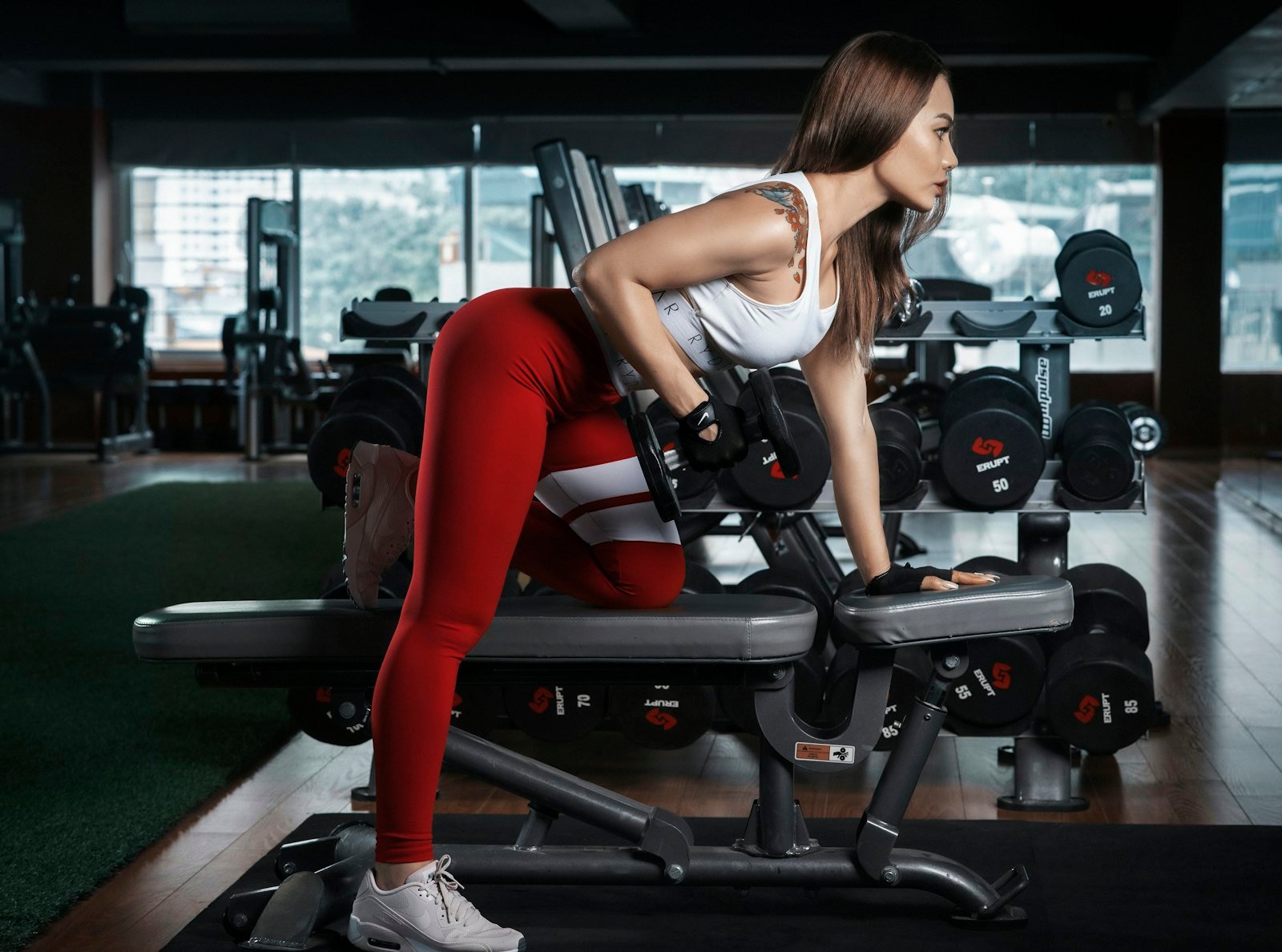
You can expect more energy, better mood, improved sleep, and noticeable strength gains in 4 to 6 weeks if you follow this Fitness routine Australia structure. In 8 to 12 weeks, many beginners see changes in waist measurement, posture, and fitness markers like step pace and heart rate recovery.
As per Dr Peter Attia,
“Treat exercise as the most potent medicine for your future self. Half your training should be focused on building strength and stability, the other half on improving endurance – generally at an easy Zone 2 pace with a little dosage of high-intensity effort.“
Most people underestimate the early “hidden wins.” Your body learns movement patterns, your joints feel more stable, and your brain stops treating exercise as a threat. That matters because a Fitness routine in Australia plan only works when you keep showing up.
Set expectations like this: you will feel better first, then you will look different later. When you chase only looks, you quit early. When you chase performance and consistency, your body follows.
What should a complete beginner do first before starting a Fitness routine Australia program?
Start by choosing the easiest version you can complete for two full weeks. That’s the smartest first step in any Fitness routine Australia plan. Then you add a little load or time.
Before your first workout, do these basics: pick your training days, set a realistic session length, and decide where you will train (home, gym, park). You also want comfortable shoes, a water bottle, and a simple way to track sessions.
If you live with injuries, pregnancy, chronic conditions, or you feel unsure, book a GP check or see an accredited exercise professional. We aim for safe progress, not “toughness.” A reliable Fitness routine in Australia approach respects your starting point.
What does “balanced fitness” mean for Australians in 2026?
A balanced Fitness routine Australia plan includes four pillars: strength, cardio, mobility, and recovery. You do not need perfection in each pillar every week, but you need all of them across the month.
Strength supports your bones, joints, and metabolism. Cardio supports your heart and stamina. Mobility keeps you moving well. Recovery helps you repeat workouts without burning out.
Australia’s lifestyle makes balance even more important. Heat, shift work, long commutes, and weekend social life can push you toward extremes. A sustainable Fitness routine routine keeps you in the middle, where results stick.
How many days per week should beginners train in a Fitness routine Australia program?
Most beginners should train 3 to 5 days per week, depending on time and recovery. For the best “stick to it” results, we recommend 3 strength-focused days plus walking on most days. That combo makes a Fitness routine Australia plan feel doable without losing progress.
If you only manage two days some weeks, you still win if you keep walking. If you try seven intense days, you usually quit. Beginners build momentum with completion, not chaos.
Here’s the simplest rule: if your schedule feels messy, choose fewer training days and protect them. That’s how a routine survives real life.
What is the best Fitness routine Australia weekly schedule for complete beginners?

The best beginner schedule balances strength and walking, keeps sessions short, and leaves room for recovery. Use this as your default Fitness routine in Australia week:
Option A (recommended): 3-day strength + walking
- Monday: Strength Workout A (30–45 min)
- Tuesday: Walk (25–45 min)
- Wednesday: Strength Workout B (30–45 min)
- Thursday: Walk + mobility (10 min)
- Friday: Strength Workout A (30–45 min)
- Saturday: Optional fun cardio (bike, swim, hike)
- Sunday: Easy walk + light stretching
Option B (busy weeks): 2-day strength + walking
- Tuesday: Full-body strength (35–50 min)
- Friday: Full-body strength (35–50 min)
- Walk: 20–40 minutes on 3 to 5 other days
This structure keeps your plan consistent, even when work and family get loud.
How do you warm up properly before workouts in a Fitness routine Australia plan?
Warm up for 5 to 8 minutes and prepare the joints you will use. A good warm-up reduces stiffness and improves performance, especially in colder Aussie mornings or after long desk days. For effective warm-up strategies, refer to this NHS guide on warming up before exercising.
Use this quick warm-up for your Fitness routine Australia strength days: brisk walk or easy cycle for 2 minutes, then 6 reps each of hip hinges, bodyweight squats, wall push-ups, and arm circles. Finish with 20 to 30 seconds of deep breathing.
Keep warm-ups simple. You do not need a 20-minute routine that steals your workout.
What are the best beginner strength workouts for a Fitness routine Australia program?
Start with two alternating full-body workouts. Keep reps moderate and stop with 2 to 3 reps “in the tank.” This keeps your plan safe and consistent.
Workout A (Full-body, beginner-friendly)
Do 2 to 3 rounds. Rest 60 to 90 seconds between sets.
- Goblet squat (dumbbell or kettlebell) or bodyweight squat: 8–12 reps
- Incline push-up (hands on bench) or dumbbell bench press: 8–12 reps
- One-arm dumbbell row or band row: 10–12 reps per side
- Glute bridge or Romanian deadlift (light): 10–12 reps
- Farmer carry (two weights) or suitcase carry: 30–45 seconds
- Dead bug or plank: 20–40 seconds
Workout B (Full-body, beginner-friendly)
Do 2 to 3 rounds. Rest 60 to 90 seconds between sets.
- Reverse lunge or split squat: 8–10 reps per side
- Dumbbell overhead press or pike push-up: 8–12 reps
- Lat pulldown or band pulldown: 10–12 reps
- Hip hinge practice (dowel hinge) + light deadlift pattern: 8–10 reps
- Step-ups: 8–10 reps per side
- Side plank: 15–30 seconds per side
This pair of workouts covers the major patterns and makes your Fitness routine plan feel structured without feeling intense.
What cardio should beginners do in a Fitness routine Australia plan without burning out?
Do low-impact cardio you enjoy, and treat walking as your foundation. Walking fits Aussie life, costs nothing, and supports fat loss, mental health, and recovery. That’s why a Fitness routine Australia guide should not ignore it.
Aim for 150 minutes of moderate cardio per week as a baseline, which you can hit with brisk walking. If you want variety, add cycling, swimming, rowing, or a social sport.
Use this beginner cardio structure: Walk 25 to 45 minutes, 4 to 6 days per week. If you want an extra push, add one short interval session like 6 rounds of 30 seconds faster walking with 90 seconds easy pace.
Keep cardio “easy enough to talk” most of the time. That approach keeps your Fitness routine sustainable.
How should Australians adjust a Fitness routine Australia plan for heat, humidity, and bushfire smoke?
Train earlier in the morning or later in the evening during heatwaves, and reduce intensity when humidity spikes. Heat stress can ruin recovery fast, especially for beginners. In extreme conditions, move sessions indoors and keep effort moderate.
If bushfire smoke affects air quality, do indoor strength sessions and skip outdoor cardio until conditions improve. You can also switch to gentle mobility and walking inside shopping centres. A smart Fitness routine Australia plan adapts instead of forcing it.
Hydration matters more than most beginners think. Add electrolytes if you sweat heavily, and do not “tough it out” when you feel dizzy.
What should beginners eat to support a Fitness routine Australia plan in 2026?

Eat in a way you can repeat. That’s the rule. A Fitness routine Australia plan fails when food feels extreme.
Start with three priorities: protein, plants, and consistent meals. Aim for protein at each meal, plenty of colourful veg, and smart carbs around training.
A simple Aussie plate that supports your Fitness routine Australia’s routine looks like this: lean protein (eggs, chicken, fish, tofu, Greek yoghurt), a big salad or cooked veg, and a fist-sized serve of carbs (rice, potato, oats, fruit) if you train that day. Add healthy fats like olive oil, avocado, nuts, or seeds.
If fat loss matters, reduce snacks and liquid calories first. If muscle gain matters, increase protein and total calories gently.
How much sleep and recovery do beginners need for a Fitness routine Australia?
Sleep drives progress. Aim for 7 to 9 hours most nights, and keep a consistent bedtime. When sleep drops, cravings rise, training feels harder, and motivation disappears. A Fitness routine Australia plan should protect recovery like training.
Schedule at least one low-intensity day each week. Keep stretching light and comfortable. Add short walks for circulation and mood.
If you feel sore, do not panic. Soreness fades as your body adapts. If you feel sharp pain, stop and get help.
How long should beginner workouts last in a Fitness routine Australia program?
Most beginners do best with 30 to 45 minute sessions. That duration fits real schedules and reduces the “I don’t have time” excuse. A fitness routine, Australia, wins when you can complete it even on a busy day.
If you only have 15 minutes, do a mini session instead of skipping. Two short sessions beat one perfect session you never do.
What is a complete 12-week Fitness routine Australia beginner plan you can follow?

This 12-week structure gives you a clear runway. It keeps the routine simple, then builds gradually. It fits home training, gym training, and outdoor Aussie lifestyles.
Weeks 1–4: Build the habit and learn technique
Do 2 to 3 strength sessions per week, plus walking 4 to 6 days.
Use Workout A and Workout B from earlier. Keep sets at 2 for most exercises in week 1, then move to 3 sets when you feel comfortable. Walk at an easy-to-moderate pace.
Your goal: finish every week of your Fitness plan. This period is crucial for establishing five healthy habits that will aid your fitness journey.
Weeks 5–8: Add small progression and a little intensity
Keep 3 strength sessions if you can. Add small weight increases or reps. Add one optional interval walk session weekly if your recovery feels good.
Your goal: feel stronger and more capable, not destroyed.
Weeks 9–12: Lock in the lifestyle version
Choose the schedule you can maintain long term. Keep strength 2 to 3 times weekly. Keep walking most days. Add one fun activity you look forward to, like swimming, hiking, Pilates, or social sport.
Your goal: turn your fitness routine into something you do without drama.
What equipment do beginners need for a Fitness routine home setup?
You can start with nothing, but a few tools make progress easier. If you want a simple home setup for your Fitness routine in Australia, get a resistance band, a pair of adjustable dumbbells, and a stable chair or bench.
At a gym, you can build your whole routine with dumbbells, cables, a bench, and a leg press. You do not need complicated machines.
If money feels tight, start with walking and bodyweight strength. A Fitness routine in Australia should never depend on shopping.
Key takeaways and quick summaries
Here’s the whole Fitness Routine Australia beginner plan in plain English: you’ll move daily, lift a little, increase gradually, and keep it realistic.
Quick summary of the routine (the “do this now” version):
Walk 25 to 45 minutes most days, strength train Monday/Wednesday/Friday (or two days if you feel busy), do one optional cardio session on the weekend, and stretch lightly after workouts.
Your weekly minimum (results with the least effort):
2 strength sessions + 150 minutes of walking per week. That baseline alone makes a Fitness routine Australia plan effective for fat loss, fitness, and energy.
What to focus on in month one:
Consistency, good technique, and finishing workouts feeling like you could do a little more. That approach builds a sustainable Fitness foundation.
How you’ll know it works:
You’ll walk faster with less effort, lift heavier over time, recover better, and feel more confident. You will not chase soreness.
Conclusion
The best Fitness routine Australia plan for beginners in 2026 stays simple: walk often, strength train 2 to 3 times weekly (which includes focusing on three types of exercise that can significantly improve your health), eat enough protein, sleep well, and progress gradually. You do not need perfection. You need repetition.
If you want to start today, choose Option B (2 strength days + walking). Do it for two weeks. Then build to Option A when it feels normal. That’s how an Australian fitness routine, becomes a lifestyle.
If you feel overwhelmed by fitness advice online, we get it, and we built Health Hub AU for moments like this. We write and review our guides with certified experts and award-winning professionals so you can follow a plan with confidence.
If you want more beginner programs, meal guidance, and simple weekly plans that fit Aussie life, stay with us at Health Hub AU and reach us anytime at healthhubau@gmail.com.
FAQs
What is the easiest fitness plans for someone who hates the gym?
Start with daily walking and two short full-body strength sessions at home using bodyweight, bands, or dumbbells. Keep workouts under 30 minutes so you build consistency without overwhelm.
How fast will I see results on a beginner fitness program?
Most beginners feel better within 2 weeks and notice strength and stamina changes by weeks 4 to 6. Visible body composition changes often appear between weeks 8 and 12 with consistency.
Do I need to run for a Fitness plan to work?
No. Brisk walking, cycling, swimming, and short interval walks can improve fitness without running. Strength training plus consistent steps often delivers better beginner results with less joint stress.
What if I miss workouts on my Fitness schedule?
Do not restart. Resume at the next session and keep the week simple. Follow the rule “never miss twice” and use a 15-minute minimum workout to protect your habit.
Can beginners follow this fitness routine Australia with limited equipment?
Yes. You can use bodyweight squats, incline push-ups, rows with bands, glute bridges, carries with a backpack, and planks. Progress by adding reps, sets, tempo, or load over time.
Disclaimer: This article is for informational purposes only and does not constitute medical advice. Always consult a qualified healthcare professional before making any changes to your diet, exercise routine, or health regimen. The information provided is general in nature and may not apply to your individual circumstances.
Author Details
