
Pregnancy Nutrition Guide for Australians: What to Eat & Avoid
Did you know?According to ABS,a lot of women may be low on iodine? 18% of women of reproductive age are clinically iodine deficient and 62% are below the recommended level for pregnancy. If you want the simplest, most practical answer, here it is: pregnancy nutrition Australia works best when you build every day around whole […]
Did you know?According to ABS,a lot of women may be low on iodine? 18% of women of reproductive age are clinically iodine deficient and 62% are below the recommended level for pregnancy.
If you want the simplest, most practical answer, here it is: pregnancy nutrition Australia works best when you build every day around whole foods, enough protein and iron, the right supplements (especially folic acid and iodine), safe food handling, and clear avoidance of high-risk foods. In pregnancy nutrition Australia, you do not need perfection. You need consistency, smart swaps, and a plan that fits real Australian life.
This guide covers exactly what to eat, what to avoid, and how to handle common issues like nausea, reflux, constipation, gestational diabetes, and vegetarian or vegan eating in pregnancy nutrition Australia. We keep it Australian focused, using local food standards, common supermarket options, and straightforward advice you can actually follow.
Table of Contents
What To Eat Daily In Pregnancy Nutrition Australia
In pregnancy nutrition Australia, you get the best results when you stop chasing “superfoods” and start building a repeatable plate.
Aim for most meals to include:
- Protein: eggs, chicken, lean red meat, fish (low mercury), tofu, tempeh, lentils, Greek yoghurt
- Fibre carbs: oats, brown rice, quinoa, wholegrain bread, sweet potato
- Colour: leafy greens, carrots, capsicum, berries, oranges, tomatoes
- Calcium foods: milk, yoghurt, cheese, calcium-fortified soy milk
- Healthy fats: extra virgin olive oil, avocado, nuts, seeds
“In pregnancy, nutrition isn’t about eating for two. It’s about choosing nutrient-dense foods more often, meeting key micronutrient targets, and avoiding preventable foodborne risks.”
— Dr Preeya Nair, Obstetric GP (Australia)
That structure powers pregnancy nutrition Australia because it supports steady blood sugar, healthy weight gain, and strong nutrient intake without complicated tracking.
The Most Important Nutrients In Pregnancy Nutrition Australia
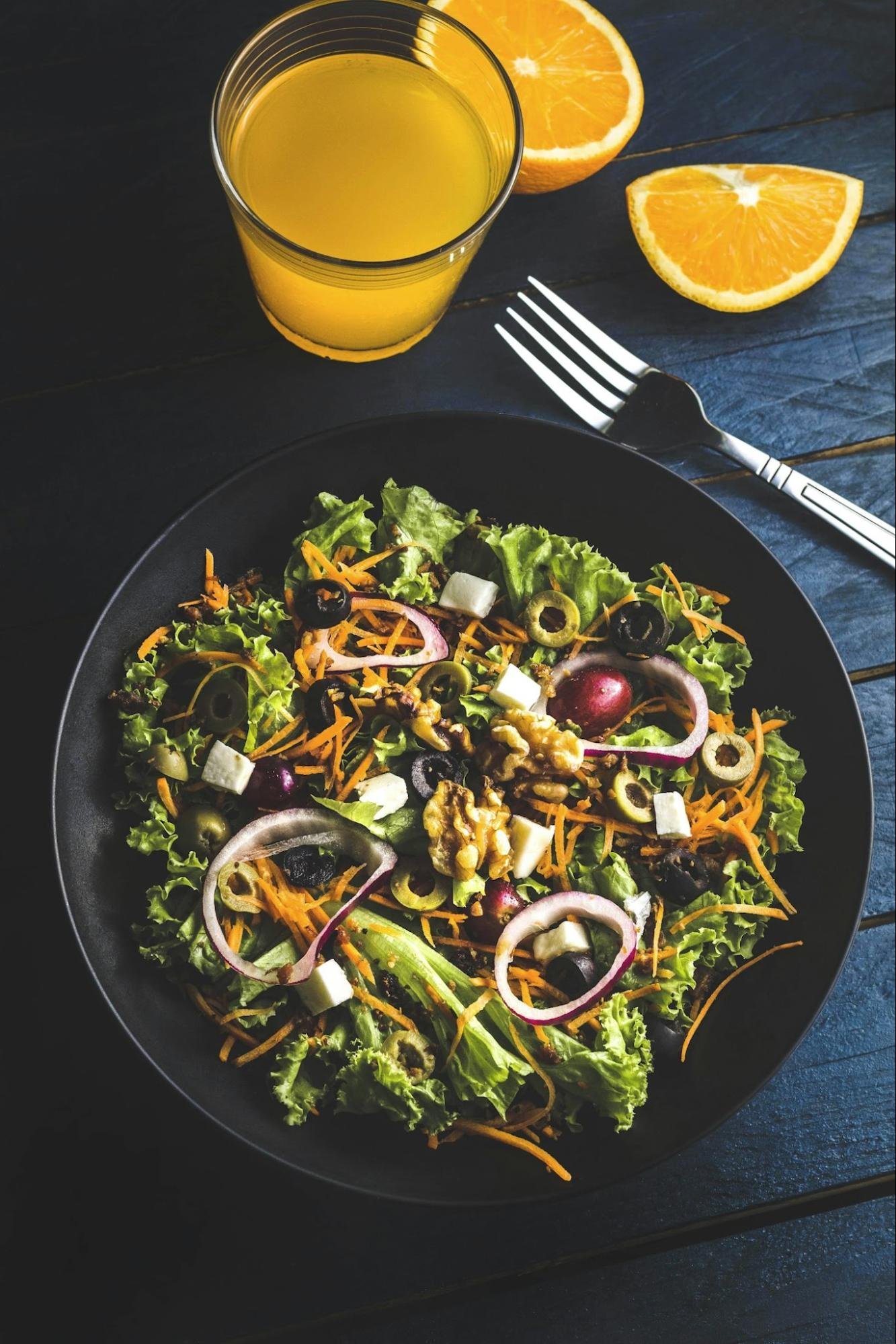
In pregnancy nutrition Australia, a few nutrients do most of the heavy lifting. You can meet many through food, but pregnancy increases needs and makes supplements important.
Folate Supports Early Brain And Spine Development
Folate matters most in early pregnancy, often before you even confirm pregnancy. In pregnancy nutrition, many women take folic acid as a supplement because food alone rarely covers early needs reliably.
Food sources include leafy greens, legumes, avocado, and folate-fortified breads/cereals.
Practical tip: Put spinach into eggs, add lentils to soups, and choose fortified cereal if nausea blocks veg.
Iodine Supports Baby’s Brain And Thyroid
In pregnancy nutrition, iodine sits near the top because low iodine intake can affect baby’s brain development. Many prenatal supplements include iodine, and Australian bread often uses iodised salt in processing, but intake still varies.
Food sources include dairy, eggs, seafood, and iodised salt.
Iron Supports Blood Volume, Energy, And Baby’s Growth
You build more blood in pregnancy. That alone drives higher iron needs in pregnancy nutrition in Australia. Low iron can worsen fatigue and increase risk of complications, so you should act early.
Top sources include lean red meat, chicken thigh, sardines, legumes, tofu, spinach, iron-fortified cereals.
Make iron work harder: Add vitamin C with meals (capsicum, orange, kiwi) and avoid tea or coffee right with iron-rich meals.
Calcium And Vitamin D Support Bones, Teeth, And Muscle Function
In pregnancy nutrition in Australia, you need calcium daily, and vitamin D helps you absorb it. Many Australians run low on vitamin D, especially in winter or if they avoid sun exposure.
Calcium sources include milk, yoghurt, cheese, calcium-fortified soy milk, tofu (set with calcium), canned salmon with bones.
Vitamin D sources include sunlight (safely), eggs, oily fish, and supplements if your GP recommends.
Omega-3 (DHA/EPA) Supports Baby’s Brain And Eyes
Omega-3 matters in pregnancy nutrition in Australia, but you must choose fish wisely to avoid mercury.
Great choices: salmon, sardines, trout, Atlantic mackerel (not king mackerel). If you do not eat fish, ask your pharmacist or GP about algae-based DHA supplements.
What To Avoid In Pregnancy Nutrition Australia
In pregnancy nutrition Australia, some rules stay strict because they reduce serious risks, not because they sound trendy.
Alcohol: Avoid Completely
No safe level exists for alcohol in pregnancy. In pregnancy nutrition Australia, the safest choice stays simple: avoid alcohol.
High-Risk Foods For Listeria And Food Poisoning
Listeria and other foodborne illnesses can seriously harm pregnancy. Pregnancy nutrition in Australia puts food safety at the centre.
Avoid or handle with care:
- Unpasteurised dairy and soft cheeses made from it
- Pre-cut fruit salads, pre-made salads, and salad bars
- Cold deli meats and pâté (reheat until steaming if you choose to eat meats)
- Smoked seafood unless cooked
- Raw eggs and foods made with them (some desserts, homemade mayo)
- Raw seafood (sashimi, oysters)
- Soft-serve ice cream if you doubt hygiene standards
Australian supermarket shortcut: buy freshly prepared foods only when you trust cold storage, and eat them straight away.
High-Mercury Fish: Choose Safer Fish More Often
Fish is beneficial for pregnancy nutrition Australia, but mercury poses a risk to developing brains. It’s essential to choose low-mercury fish regularly and limit high-mercury fish.
Safer options include salmon, sardines, trout, hoki, and basa. However, it’s advisable to limit consumption of large predatory fish such as shark (flake), swordfish, marlin, and orange roughy.
Caffeine: Keep It Moderate
In the realm of pregnancy nutrition Australia, moderate caffeine intake is generally acceptable. However, since coffee sizes can vary significantly, it’s wise to check your café’s serving size.
If you find it difficult to sleep or experience anxiety, consider switching to decaf or half-strength earlier in the day.
Liver And Excess Vitamin A: Avoid
Steer clear of liver and high-dose vitamin A supplements during pregnancy. Excessive preformed vitamin A can be harmful. Nonetheless, you can still consume orange vegetables (beta-carotene) like carrots and sweet potatoes.
What To Eat In Each Trimester In Pregnancy Nutrition Australia
The approach to pregnancy nutrition in Australia slightly changes with each trimester due to variations in symptoms and the baby’s growth. Following food safety guidelines during this period can help mitigate risks associated with foodborne illnesses.
First Trimester: Prioritise Folate, Hydration, And Nausea-Friendly Foods
If nausea hits, you still have options in pregnancy nutrition in Australia. You can eat small amounts more often and choose bland foods that stay down.
Try dry crackers, toast, oats, bananas, rice, soup, noodles, smoothies, yoghurt, and ginger tea (in sensible amounts). Add protein in gentle ways: boiled eggs, Greek yoghurt, tofu in soup, or a small chicken wrap.
If smells trigger nausea, eat cold meals like overnight oats or chilled pasta with safe ingredients you prepare fresh.
Second Trimester: Build Iron, Protein, And Calcium Into Repeatable Meals
Many women feel better in trimester two. Use that window to lock in habits for pregnancy nutrition in Australia. Add an iron-rich food daily, add calcium twice daily, and keep fibre high.
Third Trimester: Focus On Smaller Meals, Heartburn Control, And Consistent Protein
In late pregnancy, baby takes space, and reflux shows up. In pregnancy nutrition in Australia, you can help by eating smaller meals, avoiding lying down after eating, and choosing less spicy, less fatty foods at night.
Keep protein steady. Add snacks like yoghurt, cheese on wholegrain crackers, nuts, fruit, or a smoothie.
Healthy Weight Gain Without Dieting In Pregnancy Nutrition Australia
You do not need crash diets in pregnancy nutrition Australia. You need appropriate weight gain and good nutrient density.
You can support healthy gain by: Choosing whole foods most of the time, prioritising protein at breakfast, and keeping ultra-processed snacks as “sometimes foods,” not daily staples. If hunger spikes, you can add snacks, not bigger portions of low-nutrient foods.
If your midwife or GP raises weight concerns, ask for a dietitian referral. You deserve personal advice, not internet guilt.
Practical Meal Ideas Using Australian Supermarket Foods
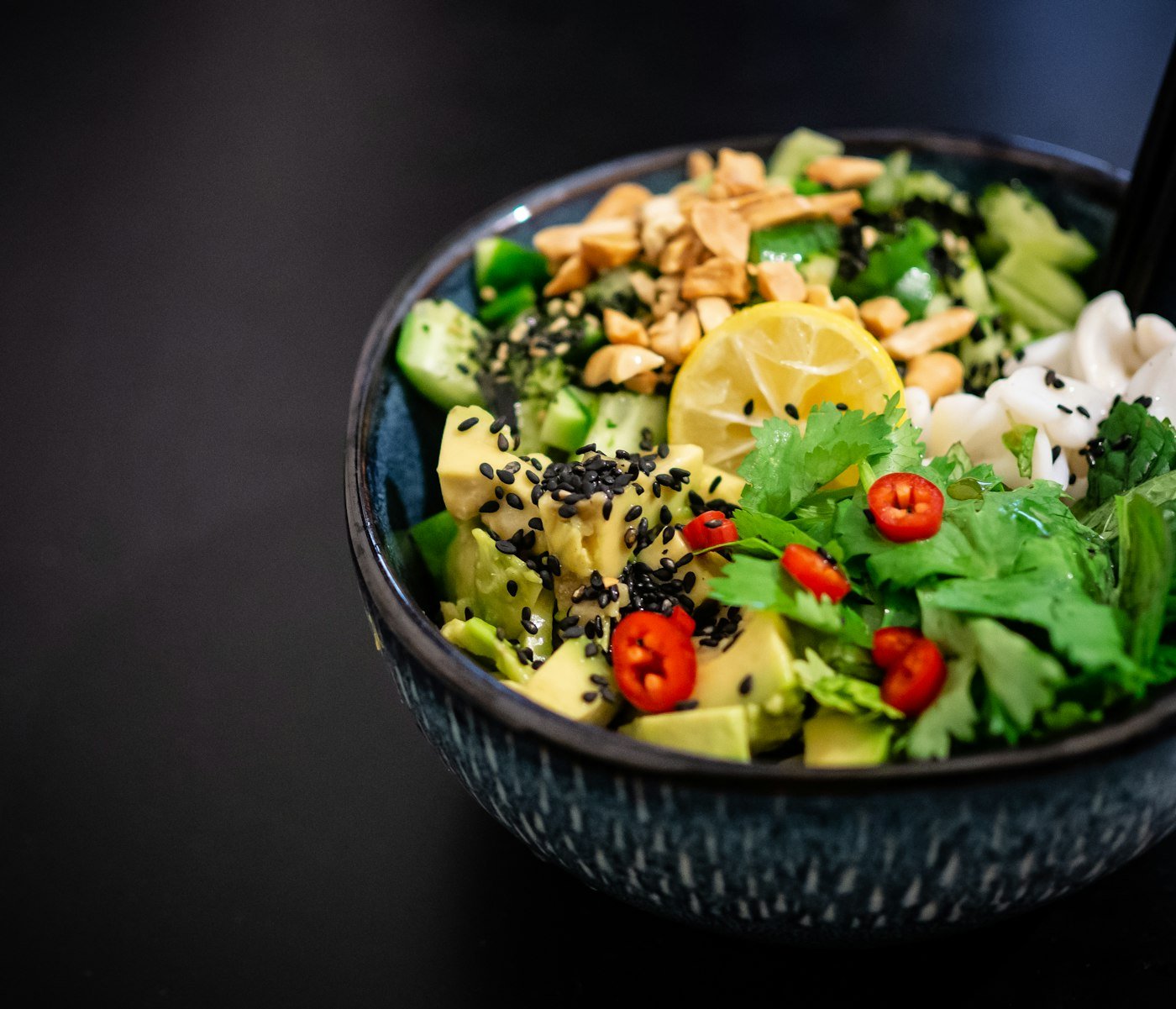
Pregnancy nutrition in Australia gets easier when you stop reinventing meals.
Breakfast can look like oats with milk and berries, wholegrain toast with eggs and avocado, or Greek yoghurt with fruit and chopped nuts. Lunch can look like a chicken and salad wrap you make fresh, lentil soup with wholegrain bread, or a rice bowl with tofu and veg. Dinner can look like salmon with roast veg, a lean beef and veggie stir-fry, or a chickpea curry with spinach and rice.
Snacks matter in pregnancy nutrition Australia, especially with nausea or reflux. Choose yoghurt, fruit, cheese and crackers, nuts, hummus with carrots, or a smoothie with milk or calcium-fortified soy milk.
Food Cravings, Aversions, And “Real Life” Social Events In Australia
Cravings do not mean failure in pregnancy nutrition Australia. They often reflect hormones, nausea management, or simple comfort-seeking.
If you crave sweets, you can build a more satisfying snack by pairing sweetness with protein: yoghurt with honey, fruit with nut butter, or a milky smoothie with berries.
If you attend barbecues or cafés, stick to safer choices: freshly cooked meats served hot, salads you prepare yourself, pasteurised dairy, and freshly made sandwiches rather than long-held display foods. You can still enjoy eating out while you protect pregnancy nutrition in Australia food safety.
Supplements In Pregnancy Nutrition Australia: What Most Australians Actually Need
In pregnancy nutrition in Australia, supplements support food. They do not replace it.
Many Australians use a prenatal multivitamin, but you should still check the label and match it to your needs. Common inclusions: folic acid and iodine. Some include iron, vitamin D, and DHA.
You should talk with your GP, midwife, or pharmacist before adding extra supplements, especially fat-soluble vitamins or high-dose herbs.
When To Get Personal Help From A GP Or Dietitian In Australia
Get personalised support for pregnancy nutrition in Australia if you deal with severe vomiting, rapid weight changes, eating disorders, a history of bariatric surgery, gestational diabetes, anaemia, thyroid conditions, or a restrictive diet.
You deserve tailored care. Ask your GP for a referral to an Accredited Practising Dietitian, especially one who supports pregnancy.
Key Takeaways
You can use this as your “fridge note” for pregnancy nutrition Australia. Start here, then dive into the details.
- Build meals around protein, colourful veg/fruit, wholegrains, dairy or alternatives, and healthy fats. This keeps pregnancy nutrition simple and reliable.
- Take the right supplements early: folic acid (preconception to 12 weeks), iodine throughout pregnancy, and others based on your needs.
- Avoid alcohol, limit caffeine, and skip high-risk foods like unpasteurised dairy, pre-cut fruit salads, deli meats (unless reheated), raw seafood, and high-mercury fish.
- Prioritise food safety: cold foods stay cold, hot foods stay hot, and leftovers go into the fridge fast.
- If you feel overwhelmed with the dietary changes during pregnancy in Australia , it’s advisable to seek professional guidance from trusted resources such as Health Hub Australia. They can provide tailored advice to strengthen your pregnancy nutrition.
- If you feel overwhelmed with the dietary changes during pregnancy in Australia , it’s advisable to seek professional guidance from trusted resources such as Health Hub Australia. They can provide tailored advice to strengthen your pregnancy nutrition.
- Pick one upgrade: add an iron-rich food daily or a calcium serve daily while swapping risky foods for safe alternatives. That’s strong pregnancy nutrition Australia.
Conclusion
If you take one thing from this guide, let it be this: pregnancy nutrition Australia works when you keep it safe, consistent, and doable. You don’t need to chase perfect eating. You need a handful of strong habits that protect you and support your baby every day.
At Health Hub AU, we write with care because your choices carry weight right now. We build every article with certified experts and doctor review, so you can act with confidence, not confusion. If you want more practical Australian guides on pregnancy, postpartum recovery, family nutrition, and everyday wellbeing, subscribe and keep us close. We’re here to help you feel steady, informed, and supported through every trimester.
FAQs
What Are The Best First Trimester Foods In Pregnancy Nutrition in Australia?
Choose bland, easy foods like toast, oats, yoghurt, bananas, soups, and smoothies. Add small protein portions often. This approach stabilises nausea and supports folate and hydration needs in early pregnancy.
Which Foods Should I Completely Avoid During Pregnancy Nutrition in Australia?
Avoid alcohol, unpasteurised dairy, raw seafood, high-mercury fish, pâté, and foods with raw eggs. Skip high-risk ready-to-eat salads and deli meats unless you reheat them until steaming hot.
How Can I Increase Iron Naturally In Pregnancy Nutrition in Australia?
Eat lean red meat, chicken, lentils, tofu, spinach, and iron-fortified cereal. Pair iron foods with vitamin C like capsicum or oranges. Avoid tea and coffee right with meals to support absorption.
Can I Follow A Vegetarian Diet With Pregnancy Nutrition in Australia?
Yes, but you need planning. Focus on eggs, dairy, legumes, tofu, nuts, seeds, wholegrains, and fortified foods. Pay close attention to iron, iodine, B12, omega-3, vitamin D, and calcium.
How Much Coffee Can I Drink In Pregnancy Nutrition in Australia?
Most people do best with moderate caffeine and earlier timing. Café coffee sizes vary, so check serving strength. If you notice anxiety or poor sleep, switch to decaf or half-strength and hydrate well.
Disclaimer: This article is for informational purposes only and does not constitute medical advice. Always consult a qualified healthcare professional before making any changes to your diet, exercise routine, or health regimen. The information provided is general in nature and may not apply to your individual circumstances.
Author Details
