
High Protein Diet Plan Australia: 7-Day Meal Plan Included
Do you know? “Most Aussies already meet or exceed their daily protein requirement. The Australian Bureau of Statistics (ABS) reports that only 11.9% of Australians eat less protein than the Acceptable Macronutrient Distribution Range (AMDR). Meanwhile, eating habits are changing as people become more interested in high-protein diets, with the number of people eating protein […]
Do you know? “Most Aussies already meet or exceed their daily protein requirement. The Australian Bureau of Statistics (ABS) reports that only 11.9% of Australians eat less protein than the Acceptable Macronutrient Distribution Range (AMDR). Meanwhile, eating habits are changing as people become more interested in high-protein diets, with the number of people eating protein above the recommended level tripling to 5.3% over time.
If you want a simple, effective way to feel fuller, protect muscle, and make fat loss easier, start a high protein diet Australia plan and stick with it for a week. A high protein diet in Australia approach works because protein curbs cravings, supports strength, and makes meals more satisfying. In this guide, we’ll give you a practical, Aussie-friendly high protein diet in Australia meal plan you can actually follow, plus shopping lists, swaps, and clear protein targets.
You’ll also see how to build a sustainable high protein diet Australia routine with supermarket staples, café-proof choices, and meal-prep shortcuts that fit real schedules.
Table of Contents
Who This High Protein Diet Plan In Australia Suits Best
This high protein diet in Australia meal plan suits you if you want fat loss with less hunger, strength and muscle maintenance, or a more stable energy rhythm across the day. It also suits busy people who want fewer decisions because you can repeat meals, swap proteins, and keep the same structure.
“Instead of relying heavily on protein powders or processed supplements, aim to meet your daily 100 g protein goal by following a balanced whole food eating pattern. Add a mix of lean meats, seafood, dairy, legumes, and other plant – based protein sources . This will help keep your muscles healthy while still supplying a balanced intake of essential vitamins and minerals. This can be a good way for most healthy adults to meet protein needs without putting undue metabolic stress on your body.”
-Dr. Samantha Solon-Biet, Nutritional Scientist and Metabolic Health Researcher, The University of Sydney
You can still run a high protein diet Australia plan if you eat vegetarian, pescatarian, or gluten-free. You just need the right protein anchors and the right portions.
What “High Protein” Really Means In Australia
A high protein diet Australia approach doesn’t mean you live on chicken breast and protein shakes. It simply means you lift protein above the typical intake and you spread it out.
Most evidence-based sports nutrition targets land here:
If you train (weights, team sport, HIIT, running): aim for 1.6–2.2 g/kg/day. If you focus on general wellness and you stay lightly active: aim for 1.2–1.8 g/kg/day. If you run a calorie deficit for fat loss, you often do better toward the higher end.
For a quick example: if you weigh 75 kg and you strength train, you might aim for 120–165 g protein/day. A well-built high protein diet Australia plan makes that feel normal, not forced.
Expert quote: “Protein works like a daily insurance policy for your muscles. When you diet, you don’t just lose fat. You can lose lean mass too, and protein plus resistance training helps prevent that.” — Accredited Practising Dietitian (APD), Australia
The Best High Protein Foods In Australia
You can run a successful high protein diet in Australia with a short list of reliable staples. Rotate these and you’ll hit your target without boredom.
Animal-based options include eggs, egg whites, chicken breast/thigh, turkey, lean beef, pork loin, lamb backstrap, kangaroo, tinned tuna and salmon, prawns, Greek yoghurt, cottage cheese, milk, and whey protein. Plant-based options include tofu, tempeh, edamame, lentils, chickpeas, black beans, lupin flakes, high-protein pasta, and protein-fortified soy yoghurt. If you’re interested in incorporating more plant-based foods into your diet while still getting enough protein, you might find this guide on how to get enough protein on a plant-based diet helpful.
A high protein diet Australia plan works best when you pick two “easy proteins” for each meal. For example, Greek yoghurt plus whey at breakfast, chicken plus lentils at lunch, and salmon plus edamame at dinner.
7-Day High Protein Diet Plan Australia
This 7-day high protein diet in Australia targets roughly 120–160 g protein/day for many people. If you weigh more, train hard, or feel hungry, increase portions. If you weigh less or want slower loss, reduce portions slightly.
We’ll list approximate protein per meal so you can learn the pattern. Brands and exact macros vary, so treat numbers as a guide.
Day 1: High-Protein Start With Simple Staples
Breakfast (35–45 g protein): Greek yoghurt bowl with 250 g plain Greek yoghurt, 1 scoop whey, berries, and 1 tbsp chia.
Lunch (40–50 g): Chicken salad wrap: wholemeal wrap, 160–200 g cooked chicken, salad mix, tomato, cucumber, plus Greek yoghurt dressing.
Dinner (40–55 g): Beef or kangaroo mince stir-fry with mixed veg and microwave rice.
Snack options (15–30 g): Cottage cheese with pineapple, or a protein shake with milk.
This day sets the tone for a high protein diet in Australia week because it uses cheap, repeatable foods.
Day 2: High-Protein Café-Proof Choices
Breakfast (30–40 g): 3-egg omelette with spinach, mushrooms, and 30 g cheese, plus a piece of fruit.
Lunch (35–50 g): Tuna and bean salad: 1 large tin tuna, cannellini beans, cherry tomatoes, red onion, olive oil, lemon.
Dinner (40–55 g): Tray-bake chicken thighs with potato and veg (capsicum, zucchini, onion).
Snack options (15–30 g): 2 boiled eggs, or 200 g high-protein yoghurt.
If you eat out, order eggs plus a side of salmon or extra chicken. That keeps your high protein diet Australia plan on track without drama.
Day 3: High-Protein With Seafood And Easy Fibre
Breakfast (35–45 g): Overnight oats made with milk, Greek yoghurt, and a scoop of whey, topped with banana.
Lunch (35–45 g): Prawn and avocado salad with a wholegrain roll on the side.
Dinner (40–55 g): Salmon fillet with roast sweet potato and greens.
Snack options (15–25 g): Jerky or biltong, or a small protein smoothie.
Seafood makes a high protein diet Australia plan feel lighter while still hitting targets.
Day 4: High-Protein Vegetarian (No Weird Ingredients)
Breakfast (30–40 g): Protein smoothie: milk or soy milk, whey or plant protein, frozen berries, spinach, and peanut butter.
Lunch (35–45 g): Tofu stir-fry with edamame, veg, and rice noodles.
Dinner (35–50 g): Lentil bolognese with high-protein pasta, topped with parmesan.
Snack options (15–25 g): Roasted edamame or a protein yoghurt.
A high protein diet Australia plan can stay vegetarian if you treat tofu, edamame, lentils, and protein pasta as anchors, not side characters.
Day 5: High-Protein Meal Prep Day (So The Weekend Feels Easy)
Breakfast (35–45 g): Scrambled eggs with extra egg whites on sourdough, plus tomato.
Lunch (40–55 g): Turkey or chicken mince burrito bowl: mince, black beans, rice, salsa, lettuce, Greek yoghurt.
Dinner (40–55 g): Lean steak with air-fryer chips and salad.
Snack options (15–30 g): Cottage cheese, or whey with milk.
Day 5 helps you batch-cook mince and chicken. That single move makes a high protein diet Australia plan effortless.
Day 6: High-Protein “Normal Food” Day (No Diet Vibes)
Breakfast (30–40 g): High-protein yoghurt with muesli and berries, plus a latte made with milk.
Lunch (35–50 g): Sushi plus extra sashimi, or a tuna poke bowl.
Dinner (40–55 g): Homemade burger: lean beef patty, cheese, salad, and a wholemeal bun, with a side salad.
Snack options (15–25 g): Protein bar you like, or a glass of milk plus fruit.
You can keep a high protein diet Australia plan while eating foods you’d actually serve friends. However, it’s important to remember that maintaining such a diet doesn’t mean sacrificing your favorite meals. In fact, eating cheap and healthy is entirely possible with the right approach and mindset.
Day 7: High-Protein Reset And Prep For Next Week
Breakfast (35–45 g): Cottage cheese bowl with honey, berries, and crushed nuts, plus a side of boiled eggs if needed.
Lunch (35–50 g): Roast chicken salad with quinoa and a proper dressing you enjoy.
Dinner (40–55 g): Thai-style chicken curry with light coconut milk and plenty of veg, served with rice.
Snack options (15–30 g): Greek yoghurt, or a protein shake.
Day 7 lets you reset, plan your next groceries, and keep your high protein diet in Australia routine rolling.
The Shopping List For This High Protein Diet Australia Meal Plan
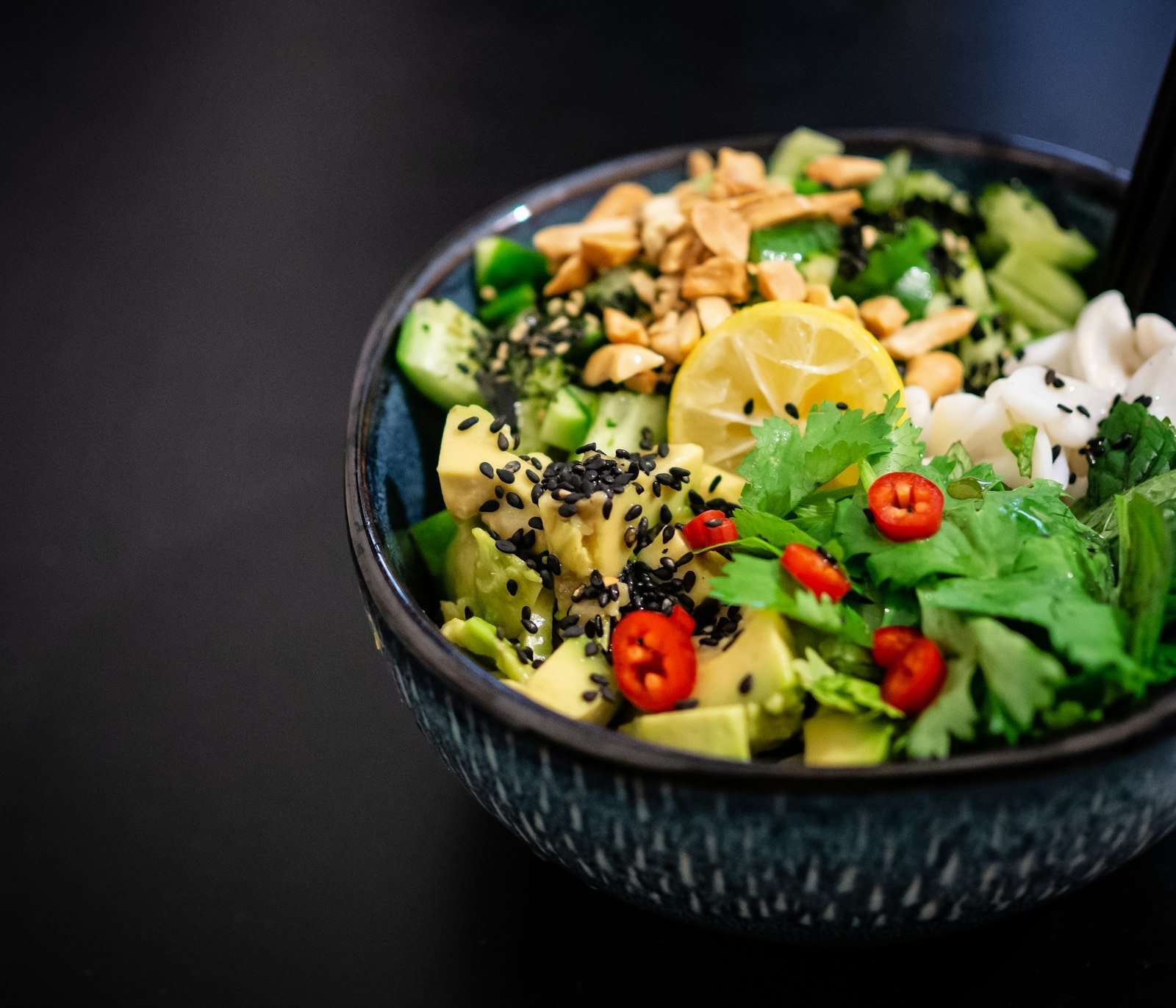
You can buy almost everything in one shop. This list covers the core week, then you can swap proteins based on specials.
Focus your trolley on Greek yoghurt, milk, eggs, chicken, lean mince (beef, turkey, or kangaroo), tinned tuna/salmon, tofu, lentils/beans, rice, wraps, potatoes or sweet potatoes, frozen veg, salad mix, berries, and a protein powder you tolerate.
If you want one rule for high protein diet in Australia shopping, use this: buy protein first, then build meals around it.
How To Adjust The Meal Plan For Fat Loss, Muscle Gain, Or Maintenance
A high protein diet Australia plan can suit all three goals. You just adjust portions and training.
If you want fat loss, keep protein high and reduce portion sizes of energy-dense fats and carbs first. If you want muscle gain, keep protein high and increase carbs around training, plus add a second snack. It’s important to understand that food serves as fuel for your workouts, so adjusting your carb intake appropriately is crucial. If you want maintenance, keep the structure and let hunger guide portions.
Expert quote: “Protein sets the floor, not the ceiling. Set protein first, then adjust carbs and fats based on training load and your goal.” — Sports Dietitian, Melbourne
How To Eat Out In Australia While Following A High Protein Diet Australia Plan
You can keep a high protein diet Australia plan while eating out if you choose meals with clear protein anchors.
At cafés, order eggs, Greek yoghurt bowls, or a chicken salad, then ask for extra chicken or a side of eggs. At pubs, pick steak, grilled chicken, or fish, then swap chips for salad if you want fat loss, or keep chips if you train hard. At takeaway spots, pick kebab bowls, poke bowls, grilled chicken packs, or sushi with extra sashimi.
You don’t need perfection. You need protein-first choices. That mindset keeps your high protein diet Australia routine stable.
Important Considerations
While following a high-protein diet in Australia can be beneficial for both men and women alike, it’s essential to remember that dietary guidelines after bariatric surgery may require some adjustments in your approach. Furthermore, incorporating enough fiber into your meals is crucial as it plays a significant role even in a high-protein diet.
Key Takeaways
A high protein diet in Australia helps most people control hunger, keep lean mass, and hit body composition goals without extreme rules. You’ll do best when you set a realistic protein target, spread protein across meals, and choose foods you enjoy.
Here’s the fast summary before we dive in.
- You’ll aim for 1.6–2.2 g protein per kg body weight per day if you train, or 1.2–1.8 g/kg if you stay lightly active and focus on general health.
- You’ll distribute protein across 3–4 meals, then add a protein snack if you need it.
- You’ll use affordable Australian staples like Greek yoghurt, eggs, kangaroo mince, chicken, tinned tuna/salmon, lentils, tofu, edamame, milk, and whey.
If you want a plug-and-play structure, skip straight to the 7-day meal plan below. It already follows high protein diet Australia principles.
Conclusion
At Health Hub AU, we understand that many Australians struggle with finding a sustainable diet plan. Our aim is to assist you in following a high protein diet in Australia approach that feels realistic and safe. We offer no-fuss meal plans, expert-reviewed nutrition guides, and practical fitness content you can trust. Feel free to reach out anytime at healthhubau@gmail.com for any assistance in making this journey effective rather than perfect.
FAQs
How Much Protein Do I Need On A High Protein Diet Australia Plan?
Most active people do well at 1.6–2.2 g/kg/day, while lightly active people often suit 1.2–1.8 g/kg/day. It’s beneficial to spread protein across meals to improve satiety and consistency.
Can I Lose Weight With A High Protein Diet Australia Plan Without Cutting Carbs?
Yes, weight loss is achievable by managing total calories while keeping protein high. It’s advisable to keep carbs around training times and choose fibre-rich options to feel full and support performance.
What Are The Cheapest High Protein Foods In Australia?
Eggs, tinned tuna, chicken thighs, milk, Greek yoghurt, tofu, lentils, and beans usually offer the best value. To build your high protein diet in Australia meals economically, focus on specials and bulk packs.
Is A High Protein Diet Australia Plan Safe Every Day?
Most healthy adults tolerate higher protein well, especially with adequate water and fibre intake. However, if you have kidney disease or complex medical issues, it’s essential to consult with your doctor or an APD first.
How Do I Stay Consistent On A High Protein Diet Australia Plan When I Eat Out?
When dining out, choose a clear protein anchor like eggs, chicken, steak, fish, or tofu. Don’t hesitate to ask for extra protein if needed, then construct the rest of the meal around vegetables and a carb portion that aligns with your goal.
Disclaimer: This article is for informational purposes only and does not constitute medical advice. Always consult a qualified healthcare professional before making any changes to your diet, exercise routine, or health regimen. The information provided is general in nature and may not apply to your individual circumstances.
Author Details
