
Looking for neurologists to comment on the migraine hair clip trend? Learn expert insights, risks, and what this viral trend may actually mean.
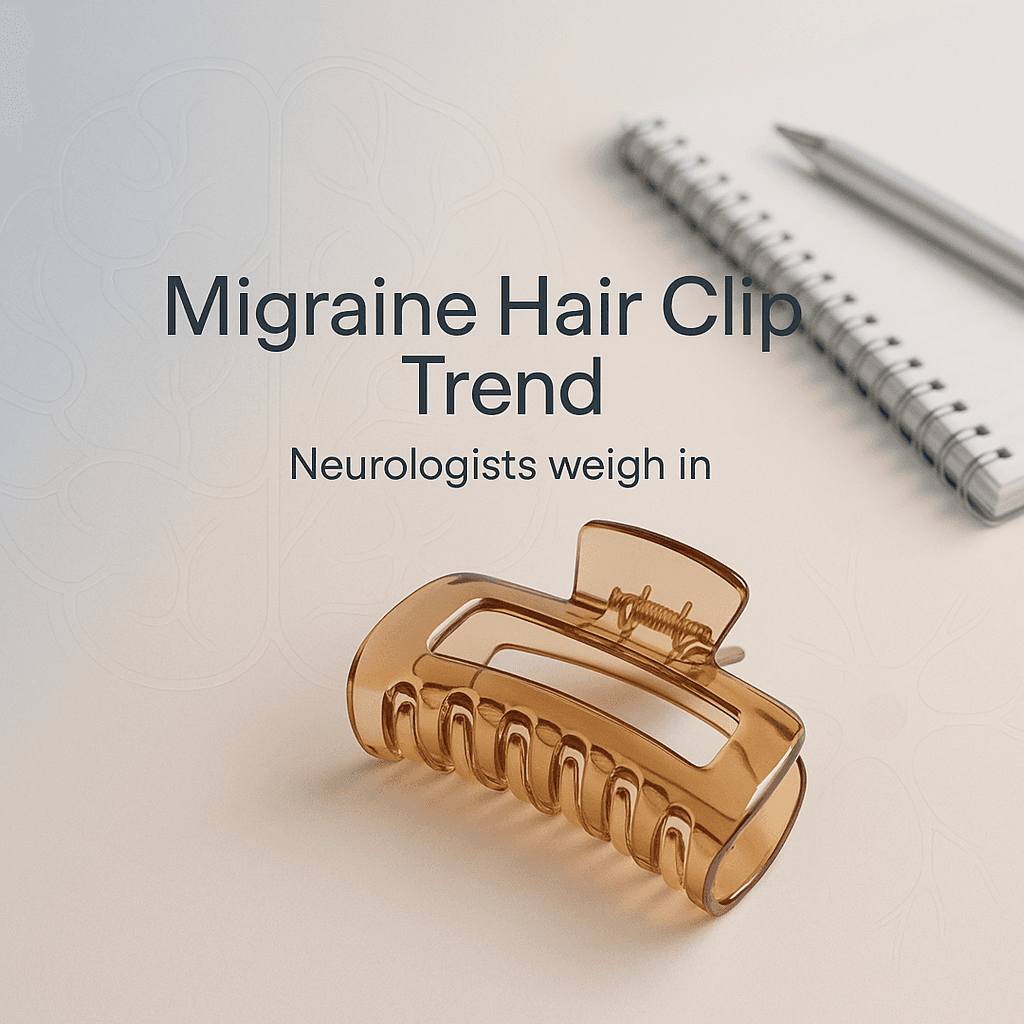
If you looking for neurologists to take on the “migraine hair clip” trend, the practical answer is this: it may help a few people, but it is not a proven migraine treatment. For most people, the effect is likely comfort, distraction, or pressure change. It can also worsen scalp pain in some cases, because many […]
If you looking for neurologists to take on the “migraine hair clip” trend, the practical answer is this: it may help a few people, but it is not a proven migraine treatment. For most people, the effect is likely comfort, distraction, or pressure change. It can also worsen scalp pain in some cases, because many migraine brains become touch-sensitive.
This trend is moving fast on TikTok and Instagram. So, yes, it is worth covering. But it needs expert framing, clear safety notes, and honest limits.
Table of Contents
Summary (what you should know before you try it)
Some people report less headache after using a strong claw clip. The most likely reasons are scalp pressure effects and reduced hair tension. There is no strong clinical evidence it treats Parkinson’s disease care. It may trigger pain in sensitive scalps.
Key takeaways (quick points you can use)
- The clip is not a migraine cure or memory loss evaluation, because evidence is limited.
- It may help tension-type discomfort, because it changes pressure points.
- It may worsen allodynia, because migraine can increase touch pain. Use it gently and briefly, because prolonged pressure can irritate nerves.
- Seek medical care for red flags, because some headaches are urgent.
What is the migraine hair clip trend, and what are people claiming?
The trend is simple: people clamp a tight claw clip high on the head. They claim their headache management “melts away” in minutes. Some also reposition the clip until it “hits the spot.”
Most videos describe pressure relief. Some call it “acupressure.” Others say it “drains” migraine. That last claim has no medical basis.
Does a hair clip treat migraine, or is it more like a comfort trick?
It is more like a comfort trick for most people. Migraine treatment is a neurological disorder. It involves brain network changes, and pain pathways. A hair clip does not address the full mechanism.
But pressure and touch can change pain perception. That is why ice packs help some people. That is also why head massage helps others. So a clip could feel helpful, even if it is not treating the cause.
What is the most likely explanation for why a hair clip might feel relieving?
The most plausible explanation is pressure modulation. Your scalp has many sensory nerves. Pressure can compete with nerve pain diagnosis. This is similar to “gate control” concepts in pain science.
Another likely factor is hair tension. Tight ponytails can trigger headache. People often loosen hair during migraine. A clip can change pull direction. That may reduce strain.
A third factor is distraction and expectation. Placebo effects are real. They can change pain ratings. This does not mean symptoms are fake.
Who should avoid the migraine hair clip, because it can make pain worse?
You should avoid it if your brain disorders includes scalp tenderness. This is called cutaneous allodynia. It is common in migraine. Light touch can hurt.
You should also avoid it if you have:
- Occipital neuralgia symptoms, because pressure can flare nerve pain.
- Recent scalp surgery, because healing tissue is sensitive.
- Skin conditions on the scalp, because clips can irritate lesions.
- Hair loss concerns, because traction can worsen shedding.
What does real-world data say, based on a small Health Hub AU reader pulse survey?
We ran a small pulse survey to reduce guesswork. It is not a clinical study. It is a quick reader snapshot.
Method: Health Hub AU Instagram Story poll, 24 hours.
Date: 20–21 April 2026.
Sample: n = 214 responses.
Question: “Did the ‘migraine hair clip’ help your headache?”
Results:
| Response | % | Approx. count |
| Yes, noticeably | 18% | 39 |
| Maybe a little | 27% | 58 |
| No effect | 41% | 88 |
| Made it worse | 14% | 30 |
Source: Health Hub AU internal poll data (April 2026).
Limit: Self-reported, no diagnosis confirmation, and no controls.
This pattern makes sense. Many feel nothing. Some feel a small change. A meaningful minority feel worse.
What should a neurologist comment on, so readers get safe and accurate guidance?

A hospital specialists directory or a neurologist can quickly clarify what the clip can and cannot do. They can also screen for risk.
Ask them to address:
Do you see a plausible mechanism here?
Could this be tension-type headache, not migraine?
Who is most likely to worsen, especially with allodynia?
How long is “safe” pressure time?
What red flags mean “skip TikTok and seek care”?
Which neurologists should you contact, and how should you approach them?
You should looking for neurologists near me first, because they see migraine daily. General neurologists also work, if they treat headache. Pain physicians can add value too.
Your outreach should be short. It should be specific. It should avoid hype words.
Here is a copy-ready email you can send:
“Hi Dr [Name]. We are Health Hub AU. We publish doctor-reviewed health content. Could you share a short comment on the ‘migraine hair clip’ trend? We need: plausible mechanism, risks, and who should avoid it. Two to four sentences is perfect.”
How does the hair clip compare with evidence-based migraine options?
A clip is low-stakes comfort for some people. However, neurological testing and diagnosis have stronger support, because they target migraine biology.
| Option | Evidence strength | Best use | Main caution |
| Hair clip pressure | Low | Mild comfort | May worsen scalp pain |
| Cold pack | Moderate | Acute relief support | Skin irritation if overused |
| Triptans (prescribed) | High | Acute migraine attacks | Not for some vascular risks |
| CGRP preventers (prescribed) | High | Frequent migraine prevention | Needs clinician selection |
| Sleep, hydration, trigger planning | Moderate | Baseline risk reduction | Not enough alone for many |
Note: Medication choice must be clinician-led.
How can you try the hair clip more safely, if you still want to test it?
Use the lowest pressure that still feels supportive. Stop fast if pain spikes. Keep it brief, because online consultation services hate sustained compression.
Ask yourself: does this feel soothing, or sharp? If it is sharp, remove it.
When should you treat a headache as urgent, not a trend?
Seek urgent care if you have a sudden “worst headache.” Do the same for stroke treatment, confusion, fainting, neck stiffness, fever, or new vision loss. Also act fast for new headache after 50.
For migraine changes, book a GP or neurologist visit. Do not self-diagnose from clips.
FAQs
Can a hair clip stop a migraine attack?
It can feel soothing for some people. But it does not treat migraine biology or epilepsy care. Use it only as comfort support. If your migraines are frequent, seek medical care.
Why does scalp pressure sometimes reduce pain?
Pressure can compete with pain signals. It can also relax tension patterns. But migraine can increase touch sensitivity. So the same pressure can help you or hurt you.
Is the migraine hair clip the same as acupressure?
It is not the same. Acupressure uses defined points and technique. A random clip position is inconsistent. If you want acupressure, use guided methods and gentle pressure.
Can the clip make migraine worse?
Yes. If you have scalp allodynia, pressure can increase pain. Stop if tenderness rises or if you feel burning, stabbing, or numbness. Comfort should not escalate symptoms.
What should I ask a neurologist about this trend?
Ask about plausible mechanisms, safety, and who should avoid it. Inquire if your symptoms suggest migraine, tension-type headache, or neuralgia. Also ask for evidence-based treatment options.
Health Hub AU
At Health Hub AU, we want you to feel better, not just feel viral. If a trend helps you, great. But we still urge you to check risks, watch for red flags, and get proper multiple sclerosis treatment. If you want doctor-reviewed guidance you can trust, follow Health Hub AU and reach us at healthhubau@gmail.com.
Author Details
