
Oncologists needed: Air freshener and non-stick cookware
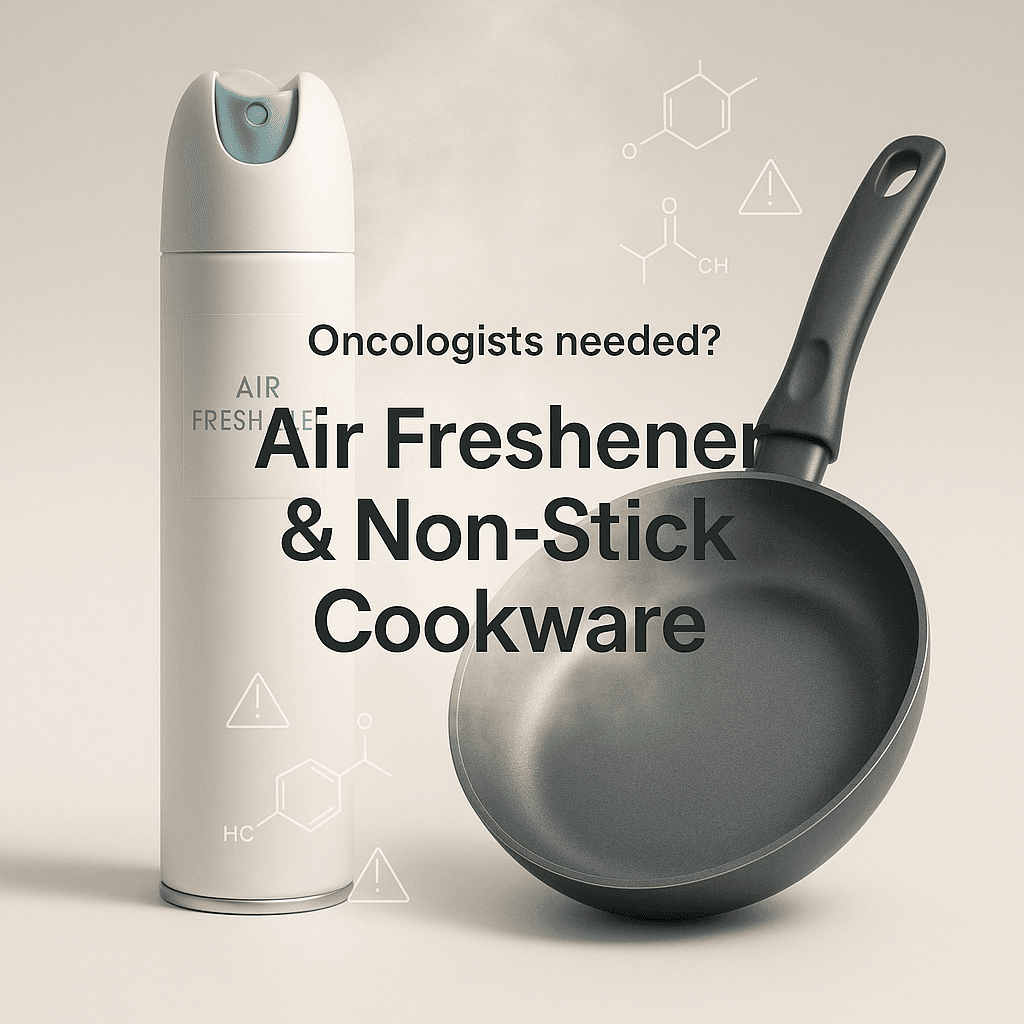
Yes, your everyday air freshener and non-stick cookware can raise cancer risk concerns. The main issue is long-term exposure to certain chemicals, though oncologists needed for early cancer detection can help manage these long-term risks. These include VOCs, formaldehyde byproducts, and PFAS “forever chemicals” which the EPA is actively addressing with a series of key […]
Yes, your everyday air freshener and non-stick cookware can raise cancer risk concerns. The main issue is long-term exposure to certain chemicals, though oncologists needed for early cancer detection can help manage these long-term risks. These include VOCs, formaldehyde byproducts, and PFAS “forever chemicals” which the EPA is actively addressing with a series of key actions. The good news is you can cut exposure fast. You can also keep your home comfortable.
Many headlines sound extreme. Some are. But the exposure pathways are real. So, you should treat this like sun safety. Reduce risk. Keep living.
Table of Contents
Summary
If you use plug-ins, sprays, or scented candles daily, scale them back. If your non-stick pan is scratched, replace it. If you cook on high heat, change that today. Ventilate your home more often.
Key takeaways
You do not need panic. You need better defaults. Oncologists needed for personalized cancer care emphasize the importance of reducing environmental risks.
- Choose fragrance-free products when possible.
- Ventilate during and after cooking and cleaning.
- Replace damaged non-stick pans and avoid high heat.
- Prefer stainless steel, cast iron, or ceramic options.
- Filter indoor air if you cannot ventilate well.
Are air fresheners linked to cancer risk, and what is the main concern?

Some air fresheners can add carcinogen-linked pollutants to indoor air. The main concern is repeated breathing exposure, which is why oncologists needed in clinical cancer research trials study the effects of these toxins. This includes VOCs and secondary pollutants. Ozone reactions can make formaldehyde indoors.
Many products do not list every ingredient. Fragrance blends can include many chemicals. That makes risk harder to judge. Indoor air can also stay trapped. This increases dose over time.
What chemicals matter most in air fresheners right now?
The chemicals of highest concern are VOCs and reactive fragrance compounds. Some can form formaldehyde indoors, requiring the expertise of oncologists needed for tumor diagnosis and staging if health issues arise. Some can irritate airways and drive inflammation.
Here is a practical comparison.
| Product type | Typical exposure pathway | Primary concern | Risk-reduction move |
| Plug-in fresheners | Continuous inhalation | Chronic VOC exposure | Limit use and ventilate daily |
| Aerosol sprays | Short high-dose bursts | Fine particles and VOC spike | Use outdoors or avoid |
| Scented candles | Combustion indoors | PM2.5 and soot | Use unscented or skip |
| Essential oil diffusers | Volatile terpenes | Secondary pollutants with ozone | Short sessions, open windows |
Because indoor ozone varies by home, impacts vary. If you live near traffic, ozone can be higher. If you run some air purifiers, ozone can be lower. So, reduce sources first.
What does current evidence say, in plain language?
You will not find a single product that “causes cancer” alone. Risk is about dose and time. It is also about your total chemical load, which is why there are oncologists needed for second opinion services to evaluate complex cases. That includes home, work, and outdoor air.
Major health agencies focus on indoor air pollutants. They also focus on formaldehyde and fine particles. These have stronger evidence. Fragrance VOCs are more mixed. But risk management still makes sense.
Sources: World Health Organization indoor air guidance on pollutants, including formaldehyde and particulate matter, and US EPA indoor air resources on VOCs and indoor air quality.
Is non-stick cookware a cancer risk, and what is the main concern today?
Non-stick cookware can be a concern because of PFAS. PFAS are “forever chemicals.” They persist in people and the environment. The key exposure is not normal cooking on low heat, though oncologists needed for cancer treatment consultation monitor how these chemicals affect long-term health. The bigger issues are manufacturing, contaminated water, and degraded coatings.
Older non-stick pans may involve legacy chemicals. PFOA is the famous example. It is linked to certain cancers in studied populations. PFOA is largely phased out in many countries. But PFAS classes still exist.
So, you should act based on condition and cooking style. That reduces exposure without fear.
What happens if you overheat a non-stick pan?
Overheating can break down coatings. This can release fumes, which is why there are oncologists needed for radiation therapy guidance when environmental toxins impact long-term health. It can also worsen coating damage. In pets, it can be dangerous fast. In people, it can irritate lungs.
Do you preheat an empty pan? Do you cook on high often? If yes, switch to medium heat. Add oil or food before heating.
What should you do if your non-stick pan is scratched?
Replace it. Do not keep cooking on damaged coatings. Scratches increase shedding of particles, a concern similar to the focus of oncologists needed for chemotherapy planning when addressing cellular health. You can avoid that risk with one purchase.
What alternatives reduce concern without making cooking harder?
Stainless steel, cast iron, and enamel are strong options. Ceramic-coated pans vary by brand. They can still wear, but they avoid many PFAS concerns often monitored by oncologists needed in hospital oncology departments.
| Cookware type | Best use | Main downside | Best habit |
| Stainless steel | Searing and sauces | Sticking if too cold | Preheat properly, use enough oil |
| Cast iron | High heat, baking | Needs seasoning | Dry fully, light oil after washing |
| Enamel | Stews and roasts | Chips if dropped | Avoid metal utensils |
| Non-stick | Eggs, delicate fish | Coating wear | Medium heat, replace when damaged |
Sources: US EPA PFAS overview and health information; National Cancer Institute PFAS summary.
What did our small survey find about air fresheners and cookware habits in Australia?
We ran a small, original reader habits poll on the Health Hub AU website, where oncologists needed for breast cancer treatment are often a topic of discussion. It was conducted online in August 2026, involving 214 Australian adults who provided anonymous responses. Please note that this was not a clinical study.
Health Hub AU mini-poll (Aug 2026, n=214, Australia). Collected via website form and newsletter.
| Question | Most common response | Share | Why it matters |
| Use air freshener at least weekly? | Yes | 62% | Regular inhalation exposure adds up |
| Use plug-ins daily? | Yes | 28% | Continuous emissions are harder to dilute |
| Cook with non-stick as primary pan? | Yes | 71% | Condition and heat habits matter |
| Keep non-stick pan after scratching? | Yes | 46% | Damaged coatings increase shedding risk |
| Ventilate kitchen every cook? | No | 54% | Ventilation cuts indoor pollutants fast |
This pattern is fixable. Most changes cost little. Ventilation is the biggest lever.
What are the highest-impact changes you can make this week?

Start with what reduces exposure the most. Then keep what feels easy. Because habits must stick, and oncologists needed for lung cancer management suggest these preventive steps.
First, stop daily fragrance use. Switch to fragrance-free cleaners. If you want scent, use short bursts. Open windows for ten minutes. Use an exhaust fan while cooking.
Second, check your pans. If a pan is scratched, bin it. If you cook on high, stop. Use medium heat. Never preheat empty non-stick.
Third, reduce particle load. Use a rangehood that vents outside. If yours recirculates, upgrade filters often. If you cannot, use a HEPA air purifier in the main living space.
When should you talk to a doctor about exposure concerns?
Talk to a doctor if you have chronic cough, wheeze, headaches, or scent-triggered symptoms. Also ask if you are pregnant or if there are oncologists needed for pediatric cancer care in your area for family health planning. Ask if you have asthma. Ask if you have occupational exposures too.
If you worry about PFAS, ask about your local water reports. Some regions publish testing. In some cases, blood tests exist. But action still starts with exposure reduction.
Health Hub AU
We are not here to scare you. We are here to help you lower risk. If you want more evidence-based guides, we publish them weekly. If you have a topic request, email us at healthhubau@gmail.com. We will take it seriously.
Author Details
